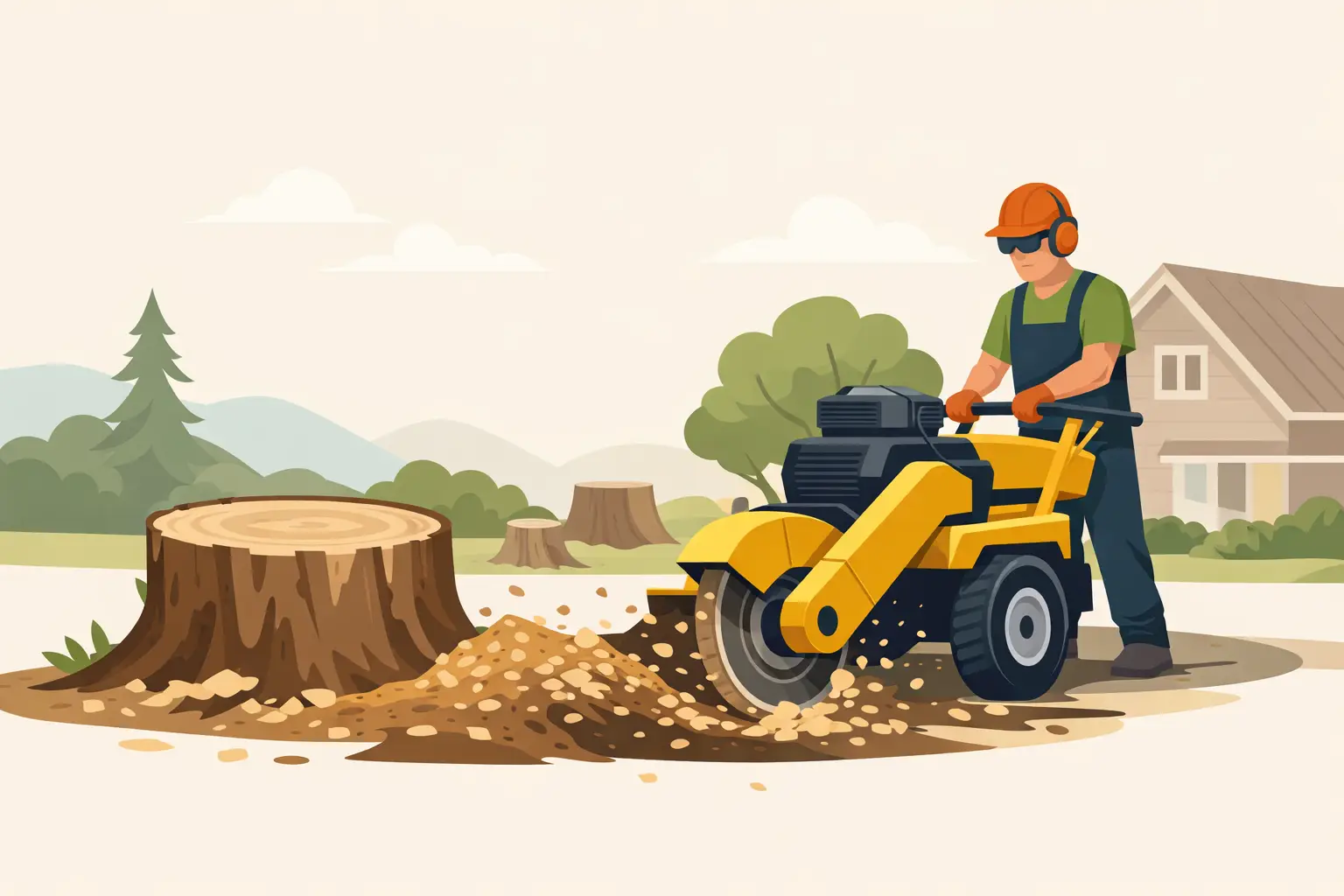
A stump in the middle of the yard is more than an eyesore. It gets in the way of mowing, attracts insects, creates a trip hazard, and keeps that part of your property from being fully usable. When homeowners ask about stump grinding cost, the real answer is simple: it depends on the stump, the site, and how complete you want the job to be.
That may not sound satisfying, but it is the honest answer. A small, open-area stump is a very different project from a large hardwood stump tucked against a fence, surrounded by surface roots, or sitting close to a patio, driveway, or utility line. If you want a fair price and clean results, it helps to understand what goes into the estimate.
What affects stump grinding cost?
The biggest factor is stump size. Most contractors look at the diameter of the stump and use that as a starting point for pricing. A smaller stump usually takes less machine time, less labor, and creates less debris. A larger stump, especially from older mature trees, means more grinding, more wear on equipment, and more cleanup.
Tree species matters too. Not all wood behaves the same once the grinder starts cutting. Dense hardwood stumps can take longer than softer species, and older stumps can still be stubborn if the root flare is wide or the wood is packed tight. From the property owner’s point of view, two stumps that look similar above ground may not cost the same once the work begins.
Access is another major price factor. If the crew can get a stump grinder straight into the backyard through a wide gate on level ground, the job is simpler. If access is tight, the yard is steep, the soil is soft, or the stump sits behind walls, pools, gardens, or decorative stonework, the work becomes slower and more careful. That extra time usually shows up in the estimate.
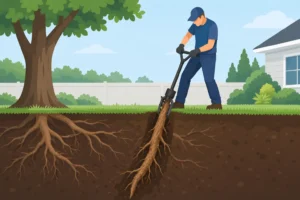
Surface roots can also change the job. Many people think only about the stump itself, but the visible root spread around it may need attention too, especially if roots are lifting turf, interfering with future planting, or making the area hard to finish cleanly. Grinding the stump alone costs less than addressing both the stump and major root zones.
Average stump grinding cost ranges
For many residential jobs, stump grinding cost often falls somewhere between a few hundred dollars for a small, straightforward stump and significantly more for larger, harder-to-reach, or more complex removals. If there are multiple stumps, some companies reduce the per-stump price because the equipment is already on site and the setup time is spread across the job.
That said, average ranges only go so far. A low quote may cover basic grinding and leave the wood chips behind. A higher quote may include deeper grinding, root flare treatment, debris removal, and a cleaner final grade. On paper, both are called stump grinding, but the finished result can be very different.
For that reason, homeowners should be careful about comparing prices without comparing scope. One estimate may sound cheaper until you realize it does not include cleanup, does not go deep enough for reseeding, or does not address the roots that still make the area unusable.
How stump size changes the price
Small stumps are generally the least expensive because they can be handled quickly. If the stump is from a young ornamental tree or a smaller tree removed before it matured, the machine can usually make short work of it.
Medium-size stumps are where prices begin to vary more. The diameter may still seem manageable, but many trees widen at the base, and what looks average above ground can become a larger grinding job once the flare is exposed. This is one reason experienced operators measure carefully instead of guessing from a distance.
Large stumps usually bring the highest cost because they involve more passes with the grinder and often a much wider work area than homeowners expect. Big mature trees also tend to leave stronger, more extensive roots near the surface. If the goal is to reclaim lawn space or prepare for a new planting plan, those roots may need additional work.
Depth, roots, and cleanup all matter
One of the most common reasons estimates vary is grinding depth. A basic job may only remove the visible stump to a practical level below grade. That is often enough if the goal is to improve appearance and remove a mowing obstacle. But if you plan to plant grass, install a patio, or use the area for another purpose, you may need a deeper grind.
Deeper grinding takes more time and equipment wear. It also creates more material to manage. The same goes for root work. If roots are spreading into the lawn or interfering with landscaping, they may need to be cut back or removed beyond the main stump area.
Cleanup is another part of stump grinding cost that people sometimes overlook. Grinding produces a mix of wood chips and soil. Some property owners want those chips left on site for mulch or fill. Others want them hauled away so the area can be restored cleanly. Hauling debris adds labor, loading time, and disposal cost, but it also leaves the property in better shape for the next step.
Why access and location affect cost
A stump in an open front yard is one thing. A stump behind a detached garage, beyond a narrow gate, or on a slope is another. Equipment access directly affects labor time and what kind of machine can be used.
In tighter residential lots, especially around older homes in places like Hamden, North Haven, Branford, or Guilford, crews may have to work around fences, stone borders, gardens, septic areas, and overhead lines. That requires planning and careful operation. The estimate reflects not just the cutting itself, but the skill needed to do the work without damaging surrounding property.
Commercial sites can also vary. Some offer easy access and room to work. Others require coordination around traffic, sidewalks, customers, or landscape features. In both cases, a reputable contractor prices for safe and controlled work, not just speed.
Cheap stump grinding is not always a bargain
It is understandable to shop around. Most property owners do. But stump grinding cost should not be judged by the number alone. Very low pricing can mean the contractor is uninsured, rushing the work, using underpowered equipment, or leaving a half-finished result.
A professional estimate should reflect more than machine time. It should account for experience, safe operation, property protection, and whether the crew leaves the site looking better than they found it. That matters when the stump is near a foundation, walkway, irrigation line, retaining wall, or established landscape bed.
This is one reason local homeowners often prefer a company with long field experience and arborist oversight. A licensed arborist understands not just how to remove the stump, but how the surrounding roots, grade, and nearby trees may affect the rest of the property. That kind of judgment can prevent a cheaper job from turning into a more expensive problem.
When stump grinding is enough and when it is not
In many cases, grinding is the right solution. It removes the visible stump, improves safety, and lets you reclaim the space without the disruption of full excavation. For most homeowners, that is the best balance between cost and results.
But sometimes grinding alone is not enough. If the site has aggressive surface roots, if you need deeper removal for construction, or if the root system is causing ongoing trouble, more extensive root removal may make sense. That is a different level of work and should be priced accordingly.
Companies with specialized equipment can sometimes go farther than standard grinding, especially when the goal is cleaner property restoration instead of the quickest possible cut-and-go service. That is often worth discussing during the estimate rather than after the stump has been partially addressed.
How to get an accurate stump grinding cost estimate
The best estimate comes from an on-site look. Photos can help, but they do not always show stump width at the base, root spread, access limits, grade changes, or nearby obstacles. A real inspection gives the contractor a chance to see the full scope and give you a price based on the actual work.
When you ask for an estimate, it helps to mention the stump size if you know it, how many stumps are involved, whether the backyard is accessible, and what you want the finished area to look like. If you want chips removed, roots addressed, or the area prepared for seed or planting, say that upfront.
For homeowners in New Haven County, local experience matters. Older properties, mature trees, tight lot lines, and established landscapes all affect how stump work gets priced and performed. A contractor who has worked these conditions for decades will usually give you a more realistic number and a better final result. That is part of why Stumpbuster LLC has earned trust over the years – not by guessing low, but by doing the job thoroughly and cleanly.
If you are looking at a stump and wondering whether it is worth removing now, the answer is usually yes. The longer it sits, the longer it stays in your way, and the harder it is to get full use of that part of your property again. A straightforward estimate can tell you exactly what the job involves and what it will take to get your yard back.