
Uncategorized
Guide to Winter Tree Protection for Connecticut
This guide to winter tree protection helps New Haven County owners prevent storm damage, protect roots, and spot trees that need professional care early.

This guide to winter tree protection helps New Haven County owners prevent storm damage, protect roots, and spot trees that need professional care early.

Learn how to identify leaning trees, spot warning signs at the roots and trunk, and know when New Haven County property owners should call an arborist.

Best practices commercial tree maintenance protect people, buildings, and budgets. Learn practical inspection, pruning, and removal planning for your site.
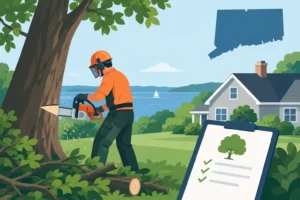
Tree removal permits can affect your project’s cost, timing, and scope. Learn when Connecticut property owners should check local rules before cutting any tree.
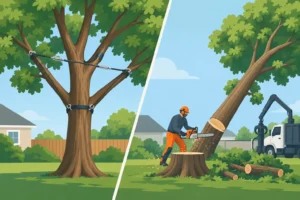
Tree cabling versus removal depends on a tree’s condition, targets, and location. Learn when support is sensible and when removal protects property nearby.
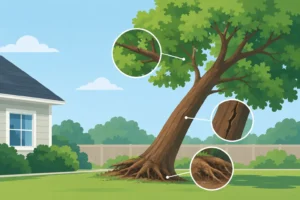
Why is my tree leaning? Learn the common causes, danger signs, and when New Haven County property owners should call a licensed arborist for help today.
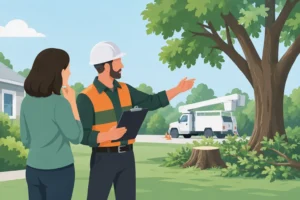
Getting a tree removal estimate is the first step toward safer property. Learn what affects cost, what to ask, and how a qualified crew plans the work.
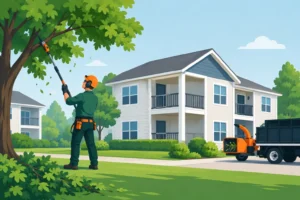
Choose the best tree services for rental properties in New Haven County. Protect tenants, prevent damage, and keep grounds clean and fully usable year-round.

Can trimming prevent storm damage? Smart pruning removes weak limbs, reduces wind load, and helps protect Connecticut roofs, power lines, and properties.

A practical guide to tree risk mitigation for Connecticut property owners, from spotting hazardous trees to planning safe trimming, removal, and cleanup.