A stump can look like a simple yard nuisance until its roots begin lifting a walkway, crowding a garden bed, or blocking a new fence line. When that happens, the choice between root grinding vs excavation affects more than appearance. It determines how much of the root system is removed, how much soil is disturbed, and whether the area is ready for its next use.
For homeowners and property managers in New Haven County, there is no single answer that fits every stump. The right method depends on the tree species, stump size, root depth, nearby structures, and plans for the space. A professional evaluation helps prevent the common mistake of removing what is visible while leaving the problem roots underneath.
What Root Grinding Does
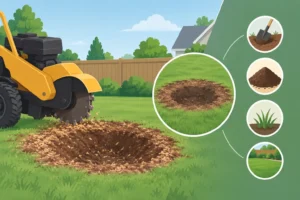
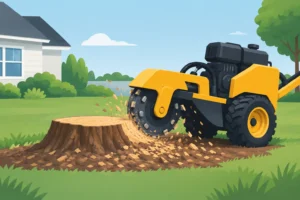
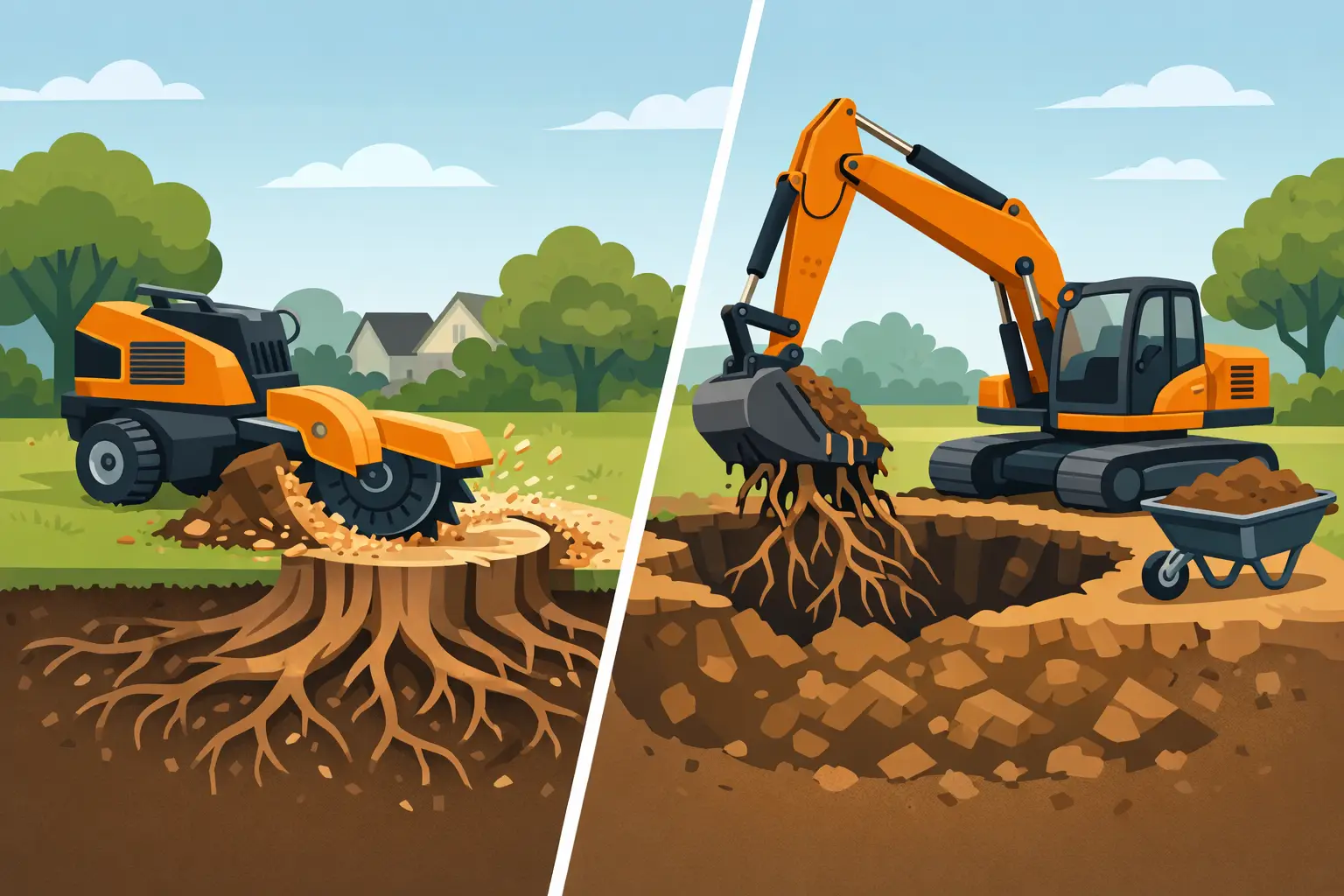
Root grinding uses specialized equipment to break down the stump and accessible roots below ground level. The grinder turns wood into small chips, allowing the surface area to be leveled, covered with soil, and reseeded or landscaped. For many residential yards, this is the practical choice when the primary goal is to eliminate a tripping hazard and restore a clean-looking lawn.
A stump grinder typically works several inches below grade, though the depth can vary based on access, equipment, and site conditions. The visible stump disappears, but larger structural roots may remain farther from the stump. Those roots usually decay naturally over time, especially when they are no longer supporting a living tree.
Grinding is generally less disruptive than digging. It avoids opening a large hole and can often preserve more of the surrounding lawn, driveway edge, garden, or established landscape. It is also a strong option when access is limited and a larger excavator would damage turf or be unable to reach the work area.
That said, grinding is not designed to remove every root running through the property. If roots are interfering with a hardscape, foundation, utility line, drainage area, or planned construction, surface-level stump removal may not solve the underlying issue.
When Excavation Is the Better Choice
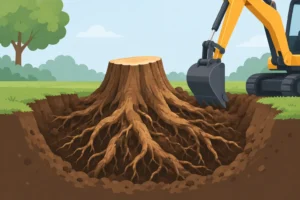
Excavation is a more complete removal process. Instead of reducing the stump in place, crews dig around it and pull out the stump, root ball, and major root structure. This approach creates more soil disturbance, but it is often necessary when deep roots are in the way of a project or continuing to cause damage.
Excavation is especially useful when a property owner plans to install a new patio, driveway, retaining wall, pool area, addition, or underground utility line. It can also make sense when replanting in the exact location of the old tree. A remaining stump or dense root mass can interfere with the new tree’s root development and make planting difficult.
The trade-off is straightforward: fuller removal requires more digging, more cleanup, and usually more site restoration afterward. The hole may need to be backfilled with clean material and graded before sod, seed, or landscaping can be installed. On tight properties, crews also need to consider underground utilities, irrigation, septic components, and the location of nearby buildings.
For difficult jobs, Stumpbuster LLC uses its proprietary Plowrake root removal system to pull deeper, cleaner root sections than conventional grinding alone can address. This can be a valuable option where the visible stump is only part of the problem.
Root Grinding vs Excavation: The Main Differences
The biggest difference between root grinding vs excavation is the level of removal. Grinding reduces the stump and nearby roots below the surface. Excavation removes the stump and major roots from the ground. Neither method is automatically better. The best choice comes down to what needs to happen in that area after the work is complete.
Grinding is usually the better fit when the yard needs to be usable again without extensive disruption. A homeowner may want to mow over the spot, expand a lawn, install a small planting bed, or simply remove an old stump that is attracting insects and getting in the way. In these cases, complete extraction may be more work than the property needs.
Excavation is often the better fit when roots have a specific impact below ground. For example, surface roots can push up pavers, create bumps near a driveway, interfere with a fence post installation, or occupy the area where a contractor needs stable soil. Removing the root mass gives the next project a cleaner starting point.
Cost can differ as well. Grinding is commonly less expensive because it requires less digging and less restoration. Excavation can require heavier equipment, additional labor, disposal of larger wood and root material, and backfilling. But choosing the cheaper approach can become costly if the roots must later be removed to complete a construction or landscaping project.
How Tree Species and Location Affect the Decision
Not all root systems behave the same way. Some trees develop broad, shallow roots that spread well beyond the drip line. Others form larger central root masses or woody roots that are difficult to remove without excavation. Mature oaks, maples, willows, and poplars can all present different challenges depending on their age, health, soil conditions, and location.
Location matters just as much as species. A stump in an open backyard may be easy to grind and restore. The same stump beside a foundation, stone wall, utility line, or narrow side yard requires a more careful plan. Roots near structures should not be cut or pulled without evaluating the risk of soil movement, utility damage, or impact on nearby trees.
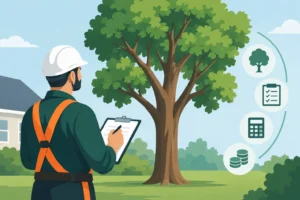
An arborist-led tree service can identify whether the roots belong only to the removed tree or may be intertwined with another mature tree nearby. Cutting significant roots from a living tree can affect stability and health. This is one reason root work should not be treated as a simple digging job.
What to Expect After Each Method
After stump grinding, the area will contain a mixture of wood chips and soil. The chips can be useful in some landscape areas, but they should not be treated as finished topsoil. They break down over time and may settle, so the area often needs additional soil before reseeding or planting grass.
If you plan to plant in the same spot, remove as much of the wood-chip material as practical and use fresh soil. New shrubs and small ornamental plants can often be placed nearby, but planting a large replacement tree directly over a ground stump may not be ideal. The remaining roots and changing soil conditions can limit growth.
After excavation, expect a larger disturbed area but fewer remaining structural roots. The site should be backfilled and compacted appropriately for its intended use. Lawn areas can be graded and seeded. Areas intended for masonry, paving, or structural work may need further preparation from the contractor handling that phase.
In either case, soil settling is normal. Check the area after heavy rain and during the first growing season. Adding soil early is easier than dealing with a low spot after new grass, mulch, or pavers are already in place.
Questions to Ask Before Approving the Work
Before choosing a removal method, be clear about what you want the area to become. Tell the contractor whether you are planning grass, a garden, a fence, a patio, a driveway expansion, or a replacement tree. That information changes the recommendation.
Ask how deep the stump will be ground, whether major roots will remain, how debris will be handled, and what condition the site will be left in. If roots are close to utilities or structures, ask how those hazards will be located and protected. A qualified, insured crew should be willing to explain the plan in plain language before equipment arrives.
It also helps to ask whether the stump is likely to produce shoots. Certain species can send up new growth from remaining roots. In those cases, the removal approach and follow-up treatment may need to be adjusted.
A clean yard is not just about making a stump disappear. It is about leaving the ground ready for the way you actually use your property. A careful on-site estimate can determine whether grinding will give you the result you need or whether excavation is the smarter investment before the next project begins.