A leftover stump does more than make a yard look unfinished. It gets in the way when you mow, creates a trip hazard, attracts insects, and keeps that part of your property from being fully usable. When homeowners ask about stump grinding benefits, they are usually looking for a practical answer: will this make the property safer, cleaner, and easier to maintain? In most cases, yes.
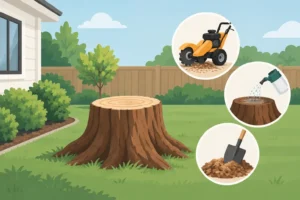
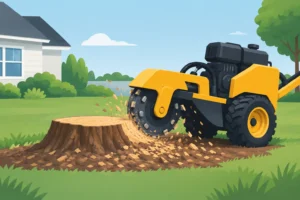
Stump grinding is one of those jobs that solves several problems at once. It removes the visible stump by grinding it down below grade, which helps restore the look and function of the area without the disruption of a full excavation. For many residential and commercial properties in Connecticut, that is the right balance between effective removal and preserving the surrounding yard.
Why stump grinding benefits matter
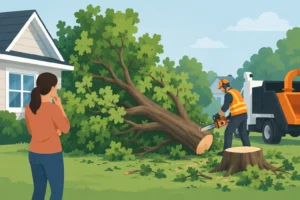
Once a tree comes down, the stump is often treated like a minor issue that can wait. The problem is that stumps rarely improve with time. They weather, soften, and start interfering with routine property use. What looked manageable right after tree removal can become a bigger nuisance after a season or two.
The real value of stump grinding is not just cosmetic. It improves safety, reduces maintenance headaches, and clears the way for better use of the space. For property owners trying to keep a yard clean, functional, and presentable, that matters.
1. It makes the area safer
A stump is an obvious obstacle, but the risk is easy to underestimate until someone catches a foot on it or a mower wheel clips the edge. This is especially true in backyards where kids play, near walkways, around rental properties, or in commercial spaces where foot traffic is part of daily use.
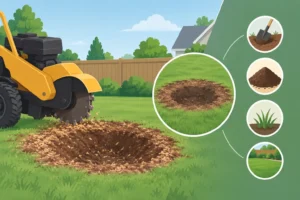
Grinding the stump below the surface removes that above-ground obstruction. The area can then be finished with topsoil, seed, or other landscaping materials depending on your plans. If safety is the top concern, this is often one of the strongest stump grinding benefits.
2. It gives you usable yard space back
One stump in the middle of a lawn can limit more than people expect. It gets in the way of mowing patterns, outdoor projects, planting plans, fencing, patios, and general use of the property. Even smaller stumps can disrupt how the space functions.
Grinding opens that area back up. You may not gain a huge amount of square footage, but you regain clean, workable space instead of having a dead obstacle in the middle of it. On tighter lots, that can make a real difference.
3. It improves curb appeal
A freshly removed tree with the stump still standing often makes a property look half-finished. That matters if you care about appearance, are getting ready to sell, or simply want the yard to look maintained.
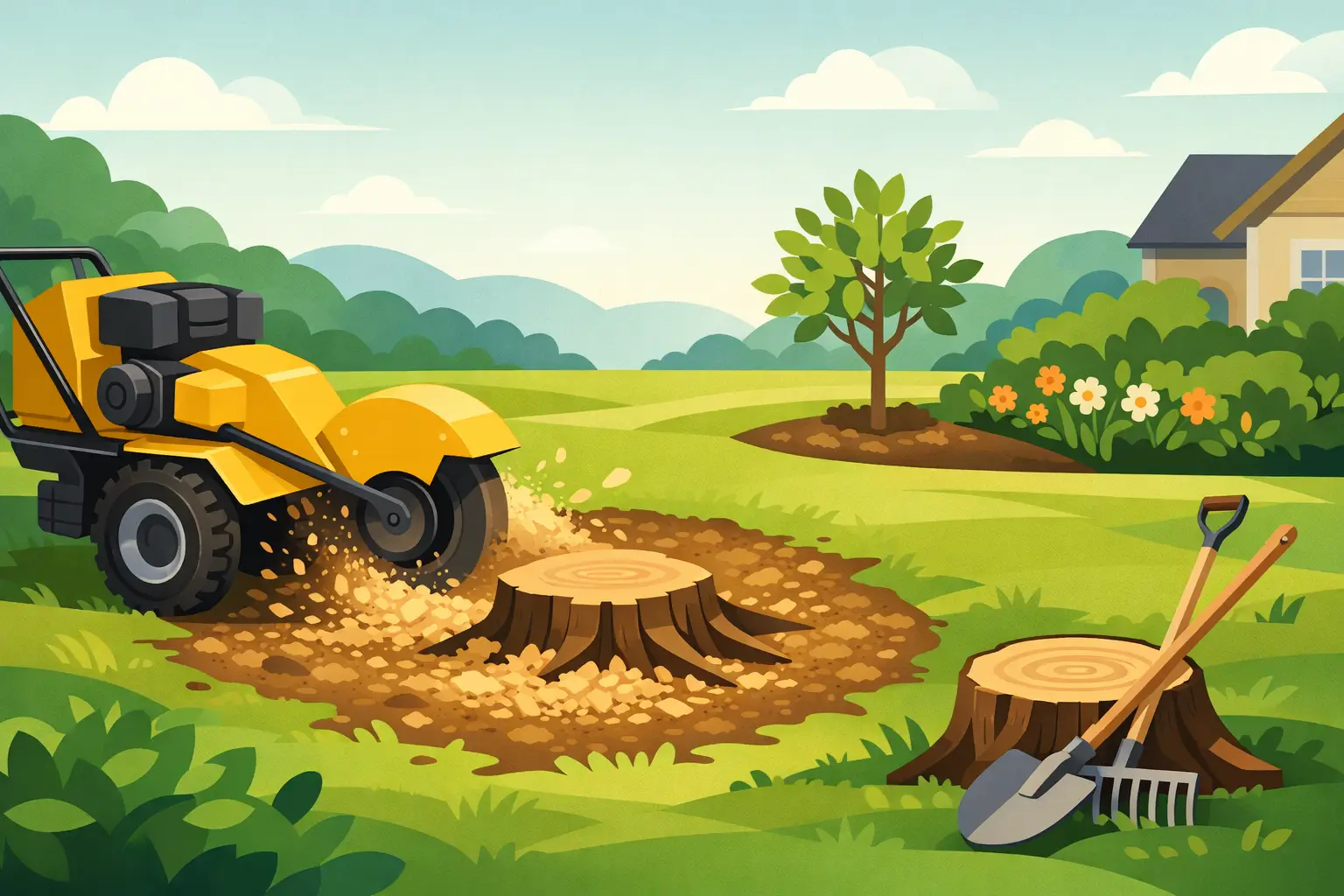
A ground stump allows the landscape to look complete again. Grass can be restored, mulch beds can be cleaned up, and the eye is no longer drawn to a rough leftover base. For many owners, this is one of the most immediate stump grinding benefits because the visual improvement is obvious right away.
4. It helps reduce pest problems
Old stumps can attract insects that thrive in decaying wood. Ants, beetles, termites, and other pests may move into a stump as it breaks down. That does not mean every stump becomes a serious infestation, but it does create one more place where insects can settle close to the house, garage, shed, or landscaped areas.
Grinding removes the main source of decaying wood above ground and helps reduce that appeal. If the stump is near structures, this is worth taking seriously. It is always better to remove conditions that invite pests than to wait until you have a larger problem.
5. It limits new sprouts and ongoing nuisance growth
Some tree species do not stop trying just because the trunk is gone. A stump can continue sending up shoots around the base or from nearby roots. That leads to repeated trimming, messy regrowth, and an area that never really looks finished.
Grinding cuts down the stump and disrupts that cycle. It does not mean every root in the ground instantly disappears, and in some cases deeper root issues may need more attention, but it is often the first and most effective step in stopping unwanted regrowth from taking over the area.
Stump grinding benefits compared with leaving the stump alone
Some property owners consider leaving a stump in place, at least for a while. Sometimes that choice is about cost, and sometimes it is just because the stump does not seem urgent. Fair enough. Not every stump creates the same level of trouble on day one.
But leaving it alone usually means accepting a few ongoing issues. You still have the hazard, the mowing obstacle, the visual clutter, and the possibility of decay and insect activity. Over time, the stump also gets harder on the eyes and less predictable as it breaks down.
Grinding is usually the cleaner long-term decision when the stump is in an active part of the yard or anywhere near structures, traffic areas, or planned landscaping. If the stump sits deep in a wooded area and is not affecting use, that can be a different call. It depends on the location and your goals for the property.
What stump grinding does – and what it does not
Good contractors explain this clearly because it matters for expectations. Stump grinding removes the stump itself by mechanically grinding it below grade. That solves the visible and functional problem above ground and allows the area to be restored.
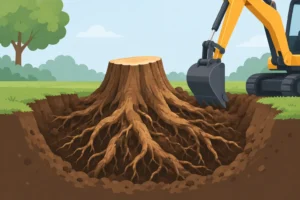
What it does not always do is remove every root system entirely. Tree roots can spread well beyond the stump, and full root removal is a separate process in many cases. If roots are lifting sidewalks, interfering with a lawn, or affecting future construction, you may need a more aggressive solution than standard grinding alone.
That is where experience matters. A knowledgeable tree service can tell the difference between a stump that simply needs grinding and a root system that needs deeper removal work. This is especially important on older properties with mature trees and established landscaping.
Choosing the right service for the job
Not all stump work is the same. The size of the stump, the species of tree, access to the area, nearby utilities, surrounding landscape features, and the condition of the roots all affect the best approach. A small open-area stump is one thing. A large stump near a foundation, fence, or utility corridor is another.
That is why local experience counts. In a place like New Haven County, properties range from compact suburban lots to older homes with mature root systems and tighter access. The right contractor should understand how to work cleanly, protect the surrounding property, and recommend the right level of removal for the problem in front of them.
Stumpbuster LLC has been handling this kind of work since 1985 under licensed arborist leadership, which is the kind of background that helps when a stump is more than just a stump. If roots are part of the issue, specialized removal capability can make a big difference in getting a cleaner result.
When to schedule stump grinding
Sooner is usually better, especially if the stump is in a lawn, near a driveway, close to a structure, or in an area you use regularly. Freshly removed trees are often easiest to deal with before the site starts settling or becoming overgrown.
That said, older stumps can still be ground successfully. If you have been mowing around one for years, it is not too late to fix the problem. The main point is to stop letting a dead leftover piece of a past tree control how you use your property.
A clean yard is easier to maintain, safer to walk, and better to look at. If a stump is taking up space, causing problems, or making the property feel unfinished, dealing with it is usually money well spent. The right stump grinding work gives you your yard back, plain and simple.