A tree can look fine from the driveway and still have trouble where you cannot see it. We see that often with mature shade trees in New Haven County – a full canopy on top, but hidden decay in the trunk, root damage near the base, or heavy limbs stretching too close to a roof, driveway, or power line. That is where an arborist tree inspection matters. It gives you a clear picture of what is healthy, what is risky, and what should be handled before weather or time turns a manageable issue into property damage.
For most property owners, the hard part is not noticing that something looks a little off. The hard part is knowing whether it is cosmetic, whether it can wait, or whether it needs prompt attention. A licensed arborist is trained to make that call based on structure, species, site conditions, and visible signs of decline. That judgment matters because tree work is not just about cutting. It is about protecting the tree when possible and protecting people and property when a tree is no longer safe.
What an arborist tree inspection looks for
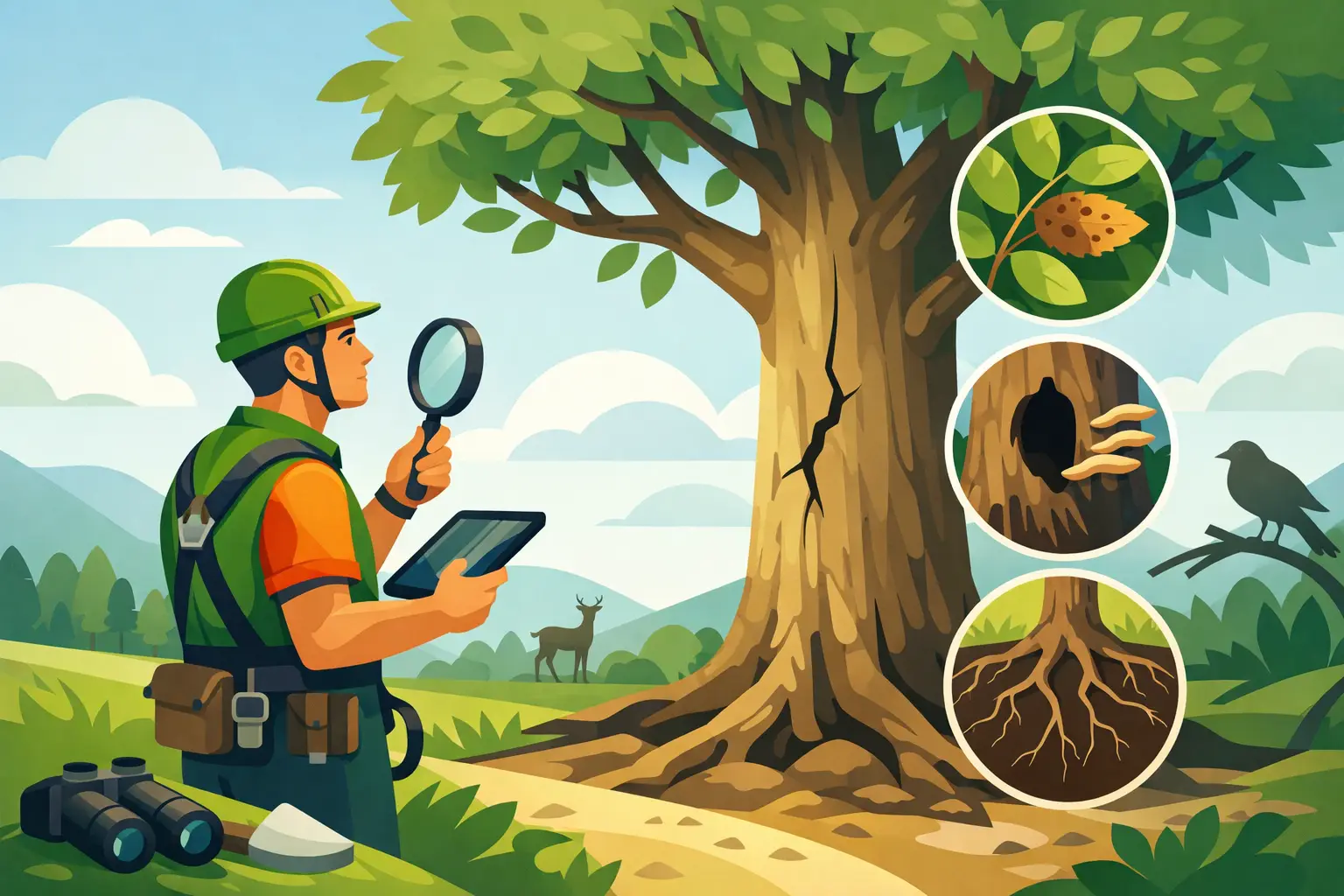
A proper inspection starts with the whole tree, not just the obvious problem spot. The arborist will look at the canopy, branch structure, trunk, root flare, surrounding grade, and the way the tree sits in relation to the house, fence, sidewalk, vehicles, utility lines, and neighboring trees. Sometimes the issue is straightforward, like a dead hanging limb over a patio. Other times, it is a combination of smaller warning signs that together point to a bigger problem.
Cracks in the trunk, splitting branch unions, hollow areas, fungal growth, bark loss, deadwood, leaning, and root disturbance are all things that deserve a closer look. So are signs of stress such as sparse leafing, premature drop, dieback in the crown, or a tree that suddenly seems to be declining after nearby construction or grading. Trees respond slowly, so by the time a homeowner notices something, the problem may have been developing for years.
The inspection also considers load and balance. A tree may be alive but still poorly structured for its location. Long overextended limbs, uneven growth toward sunlight, codominant stems, and previous storm damage can all increase failure risk. In some cases, careful pruning improves the situation. In others, the safest answer may be removal.
Why arborist tree inspection matters in Connecticut
In this part of Connecticut, trees deal with a lot – heavy wet snow, strong wind, summer storms, changing soil moisture, and the wear that comes with age on established properties. Many homes in towns like Hamden, North Haven, Branford, and Guilford have mature trees planted decades ago, back when the yard looked very different than it does today. What was once open space may now include additions, sheds, patios, driveways, pools, and utility runs.
That change matters. A tree that had plenty of room 30 years ago may now hang over a roofline, crowd a service wire, or push roots toward hardscape. An inspection helps put the tree in its current context, not just its original one. That is especially useful after storms, before a renovation, or when buying or maintaining commercial property where liability is a concern.
It also helps with timing. Some issues can be monitored. Some should be scheduled soon. Some need immediate action. Getting that order right saves money and reduces risk. If you remove every tree that looks imperfect, you can lose valuable shade and character unnecessarily. If you wait too long on a hazardous tree, the cost can be much higher once it fails.
Common signs a tree should be inspected
Most people call for an inspection when they notice something visible, but there are a few patterns that come up again and again. One is dead or hanging limbs after a storm. Another is a tree that starts leaning more than it used to, especially if the soil near the roots is lifting or cracking. Mushrooms or conks growing near the base can also be a warning sign, depending on the species and location.
You should also pay attention if a tree drops large limbs without much weather involved, if bark starts falling away in patches, or if one section of the canopy fails to leaf out while the rest does. Root damage from excavation, trenching, driveway work, or stump grinding nearby can affect stability and health later, not always right away.
Then there is the practical side. If branches are scraping the house, blocking sightlines, hanging over parking areas, or growing into service space around a building, an inspection can tell you whether pruning is enough or whether the tree has outgrown the site.
What happens after the inspection
The value of an inspection is in the recommendation. A good arborist should tell you plainly what the condition is and what options make sense. Sometimes the answer is selective pruning to reduce weight, remove deadwood, and improve clearance. Sometimes cabling or bracing may be discussed for a high-value tree with structural issues, though that depends on the species, defect, and location.
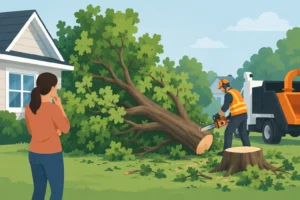
Sometimes removal is the responsible choice. That is not a sales line. It is a safety decision based on decline, structural instability, root failure, or proximity to targets like homes, garages, walkways, and utility areas. A dependable company should explain why, not just say the tree has to go.
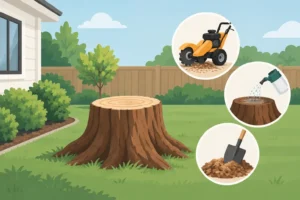
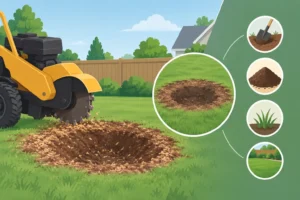
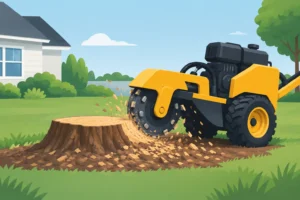
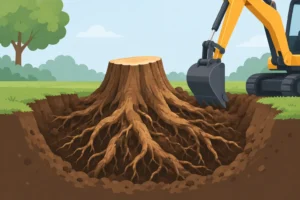
This is also where local experience makes a difference. Trees on tight residential lots in New Haven County often require more than a simple recommendation. The work has to be carried out cleanly, safely, and with the right equipment for the access conditions. If removal is needed, the stump and roots may also affect what comes next for the property – regrading, replanting, fencing, or getting yard space back into use.
Arborist tree inspection versus a quick visual opinion
There is a difference between someone glancing at a tree and saying it looks bad and an actual arborist assessment. A quick opinion might identify the obvious issue, but it can miss the factors that determine whether a tree is salvageable or dangerous. It can also miss related problems nearby, such as secondary limbs, hidden defects, or root flare issues at ground level.
An arborist tree inspection is more useful because it weighs condition, risk, and next steps together. That means you are not just hearing that a branch is dead. You are hearing whether the whole tree is declining, whether pruning can reasonably reduce risk, and whether there are site concerns that make the tree a poor long-term fit.
That kind of judgment is especially important when a large tree is close to a house. Property owners often hope pruning alone will solve everything. Sometimes it will. Sometimes pruning can buy time but not fix core decay or root loss. It depends on the tree, the defect, and the target below it.
Choosing the right company for the inspection
If you are bringing someone out to inspect a tree, you want more than a low quote. You want experience, insurance, and a company that understands both tree health and tree risk. Ask whether a licensed arborist is involved. Ask how they evaluate structural defects and whether they can perform the recommended work safely if action is needed.
That matters because inspection and execution go together. A company that understands removal, trimming, stump grinding, and root issues can give more practical advice about the full scope of the job. For example, if a declining tree also has aggressive surface roots disrupting a lawn or landscape bed, that should be part of the conversation from the start.
Stumpbuster LLC has been working with local property owners since 1985, and that kind of field experience shows up in the recommendations. Mature trees, tight access, storm damage, failing stumps, and problem roots are not unusual here. The right inspection should leave you with a realistic plan, not more uncertainty.
When to schedule an inspection
There is no single perfect season, but there are smart times to call. After a major storm is one. Before starting construction or excavation is another. If you are seeing active decline, unusual leaning, or branch failure, sooner is better. And if you have large older trees near structures, periodic inspection is simply good property maintenance.
Some owners wait until there is an emergency because they assume an inspection will lead straight to expensive work. That is not always the case. In many situations, earlier action means a smaller pruning job instead of an urgent removal, or a planned removal instead of a crane job after failure. The tree does not get safer because it is ignored.
If you are unsure about a tree on your property, trust what you are seeing and get it checked. A sound arborist tree inspection gives you the information to act before a weak limb comes down over the driveway or a compromised trunk fails in the next storm. Peace of mind is useful, but clear answers are better.