A big maple leaning over a roofline can make every windstorm feel a little louder. On the other hand, a healthy shade tree in the right spot adds value, comfort, and character to a property. That is why tree removal versus tree preservation is not a simple yes-or-no decision. The right call depends on safety, tree health, location, long-term cost, and what the tree is doing to the rest of your yard.
For property owners in New Haven County, this comes up all the time. A tree may look fine from the driveway but have decay at the base. Another may seem overgrown but respond well to proper pruning and care. Good tree work starts with knowing which trees should stay, which should go, and when waiting creates a bigger problem.
When tree preservation makes sense
Preservation is usually the better option when a tree is structurally sound, reasonably healthy, and well suited to its location. Mature trees offer real benefits. They provide shade, improve curb appeal, soften the look of a building, and can make outdoor spaces more usable in summer.
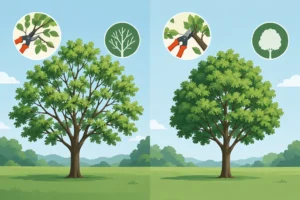
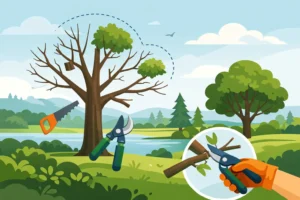
A tree is often worth preserving when the issues are manageable rather than severe. Deadwood in the canopy, overextended limbs, crowding, or early signs of stress do not always mean removal is necessary. In many cases, selective pruning, crown reduction, cabling, soil improvement, or root-zone protection can extend the life of a valuable tree and reduce risk at the same time.
Preservation also makes sense when the tree has strong form and no major defects. A licensed arborist will look at things like trunk integrity, branch attachment, root flare condition, past storm damage, and signs of disease. A healthy tree with minor maintenance needs is usually a better candidate for care than removal.
There is also the property value side of the equation. Established trees cannot be replaced quickly. If a tree is contributing shade, privacy, screening, or the overall appearance of a home or commercial site, preservation may be the more practical investment. Removal solves one problem, but it can also leave a large visual and environmental gap.
When removal is the safer choice
There are times when preserving a tree is not responsible. If the tree is dead, failing, heavily decayed, uprooting, or structurally compromised, removal is often the safest option. The same is true when major limbs are breaking, the trunk is split, or the root system has been badly damaged.
Location matters as much as condition. A tree that might stand for years in an open field can be a serious hazard next to a house, garage, sidewalk, driveway, play area, or utility line. Risk changes based on what the tree can hit if it fails. That is why a modest defect in one setting may be manageable, while the same defect in a tighter space calls for removal.
Trees growing too close to foundations, septic systems, retaining walls, or overhead wires can also become ongoing problems. In some cases, repeated trimming only delays the issue. If a species has outgrown the site or is interfering with structures and underground systems, removal may be more cost-effective than continuing to manage a bad fit.
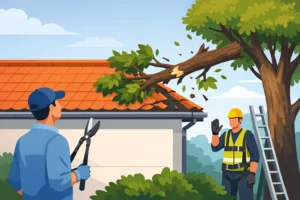
Storm damage is another common reason. After heavy snow, wind, or summer thunderstorms, a tree may lose key limbs or develop cracks that weaken the whole structure. Some damaged trees can be restored, but not all of them. If too much of the crown is gone or the main stem has failed, preservation may no longer be realistic.
Tree removal versus tree preservation: what decides it
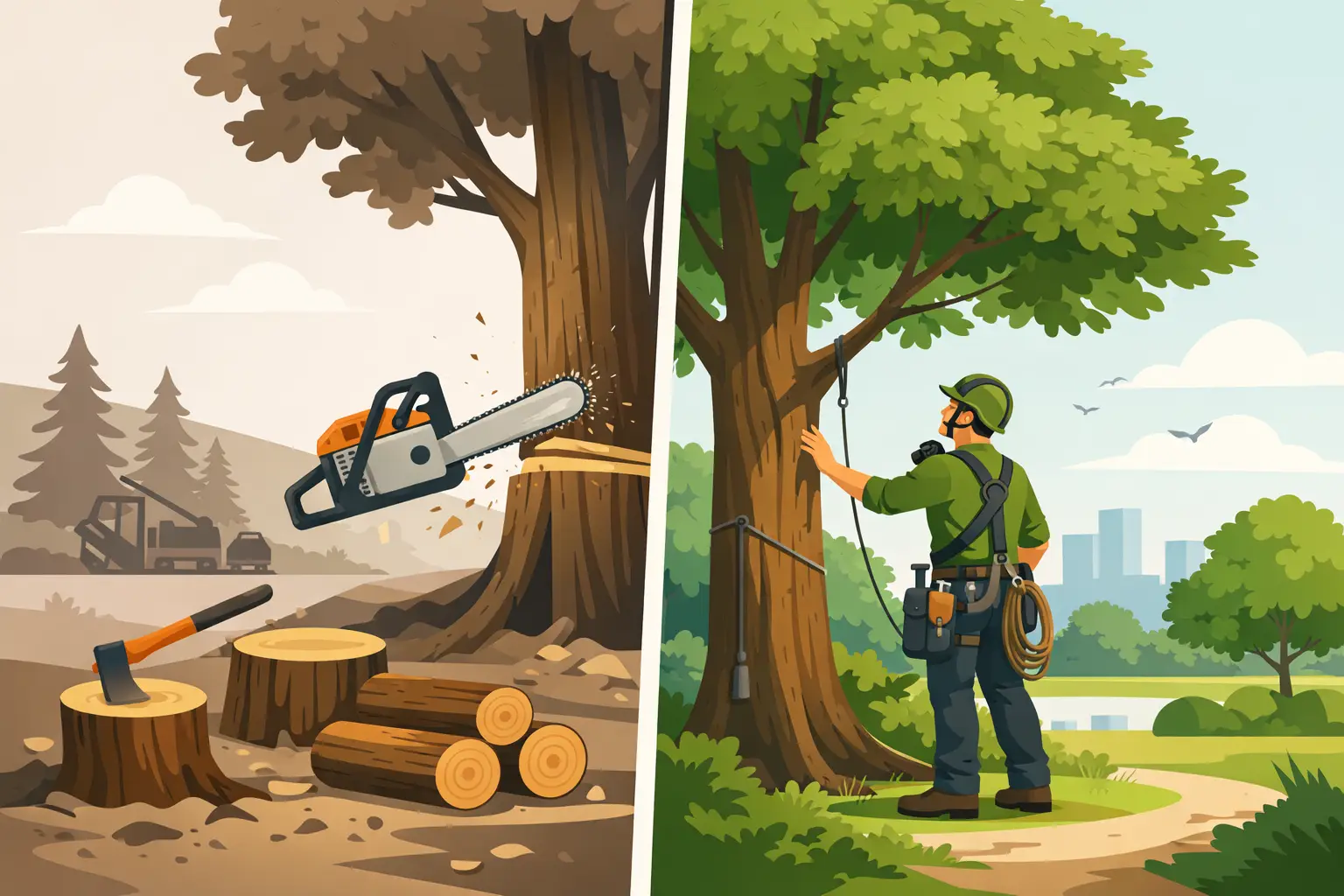
The biggest mistake property owners make is focusing on appearance alone. A tree can be full of leaves and still be unsafe. It can also look rough after a dry summer and still recover with the right care. Tree removal versus tree preservation should be decided by a few practical factors working together, not by one quick visual impression.
The first factor is structural condition. Cracks, hollow sections, decay pockets, weak branch unions, and root instability carry more weight than cosmetic issues. The second is overall health. A tree under stress is not automatically a removal candidate, but decline across the canopy, trunk, and root zone can point to a larger problem.
The third factor is target area. Arborists often think in terms of consequences. If the tree or a major limb fails, what gets hit? Roofs, cars, walkways, fences, neighboring property, and public areas all raise the stakes. A tree with moderate defects over an open lawn is one thing. The same tree over a bedroom or entranceway is another.
The fourth factor is cost over time. Preservation can be the right choice, but it is not always the cheaper one forever. Some trees require recurring pruning, monitoring, bracing, or cleanup year after year. In those cases, removal may be the more sensible long-term decision, especially if the tree is unlikely to improve.
Why timing matters
Waiting too long often takes options off the table. A tree with early signs of decline may still be saved if the cause is identified and addressed. The same tree, left alone for a few more seasons, may become hazardous and require full removal.
The same applies to removals. A controlled removal of a problem tree is usually safer, cleaner, and less costly than emergency work after failure. Once a trunk splits or the root plate starts lifting, access can get harder, damage can spread, and urgency drives the job.
This is especially true with large trees near homes and businesses. In tight spaces, removal requires planning, proper equipment, and experienced operators. Handling the tree before it becomes an emergency usually gives you better outcomes and fewer surprises.
Preservation does not mean doing nothing
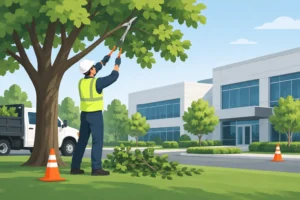
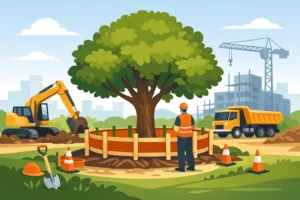
Some property owners hear “preserve” and assume that means leave the tree alone. In practice, preservation often involves active maintenance. That may include pruning to remove dead or overhanging limbs, reducing weight on stressed branches, improving airflow, or protecting roots during nearby construction or grading.
Soil compaction, poor drainage, mulch piled against the trunk, and repeated mechanical damage from mowers can all shorten a tree’s life. Fixing those conditions can make a real difference. Preservation works best when it is intentional and based on how the tree is actually growing on your property.
There is also a limit to what maintenance can do. Pruning will not cure internal decay. Cabling will not make a rotted trunk sound again. Good arborist advice is valuable because it separates trees that can reasonably be maintained from trees that are simply being postponed.
After removal, the stump and roots still matter
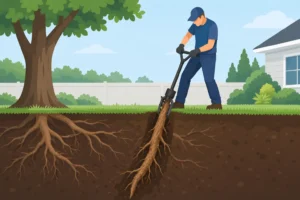
One detail that gets overlooked in the tree removal versus tree preservation discussion is what happens after a tree comes down. The stump and root system can still affect how the property functions. They can take up usable yard space, interfere with mowing, attract pests, and create obstacles for replanting or landscaping.
Surface roots can also continue causing problems near walkways, patios, and planting beds. That is why complete planning matters. If a tree needs to be removed, it often makes sense to think through stump grinding and root removal at the same time rather than treating them as separate issues later.
For many property owners, the job is not really finished until the area is clean, safe, and usable again. That practical side matters just as much as the cutting itself.
Getting the right answer for your property
Every property has its own mix of tree species, structures, soil conditions, and risk points. What makes sense for a backyard oak in Guilford may not make sense for a roadside maple in Hamden or a commercial lot in West Haven. Local experience helps because the answer depends on how trees behave in this area, how storms affect them, and how close most properties are built.
That is where an arborist-led evaluation matters. A qualified tree professional should be able to explain not just what they recommend, but why. If preservation is realistic, you should hear what work is needed and what the limits are. If removal is the better call, you should know what risk or condition is driving that decision.
Stumpbuster LLC has been working with property owners across New Haven County since 1985, and that kind of field experience makes a difference when the choice is not obvious. The goal should never be removal for its own sake or preservation at any cost. The goal is to make the property safer, cleaner, and easier to manage without sacrificing healthy trees that still have real value.
If you are looking at a tree and wondering whether it needs care or needs to come down, trust the condition of the tree more than first impressions. A straight answer now is usually a lot cheaper than a fallen limb later.