That tree in the backyard usually looks fine until the first hard windstorm, a heavy wet snow, or a limb comes down where nobody expected it. The top tree hazards homeowners miss are rarely the obvious dead tree leaning over the driveway. More often, they are subtle problems that build over time and turn into expensive damage, emergency removal, or a safety issue for your family and neighbors.
In Connecticut, mature trees add real value to a property, but they also need attention. Between coastal storms, saturated ground, snow load, and the normal aging of large trees, a yard can change faster than most homeowners realize. If you know what to look for, you can catch trouble early and deal with it before it reaches your roof, your fence, or your power line.
Top tree hazards homeowners miss around the yard
A lot of tree problems hide in plain sight. Homeowners tend to notice a tree only when leaves thin out or branches start dropping. By then, the issue may already be advanced. The bigger risk is assuming a green tree is a safe tree. A tree can leaf out normally and still have serious structural defects.
1. Cracks where major limbs meet the trunk
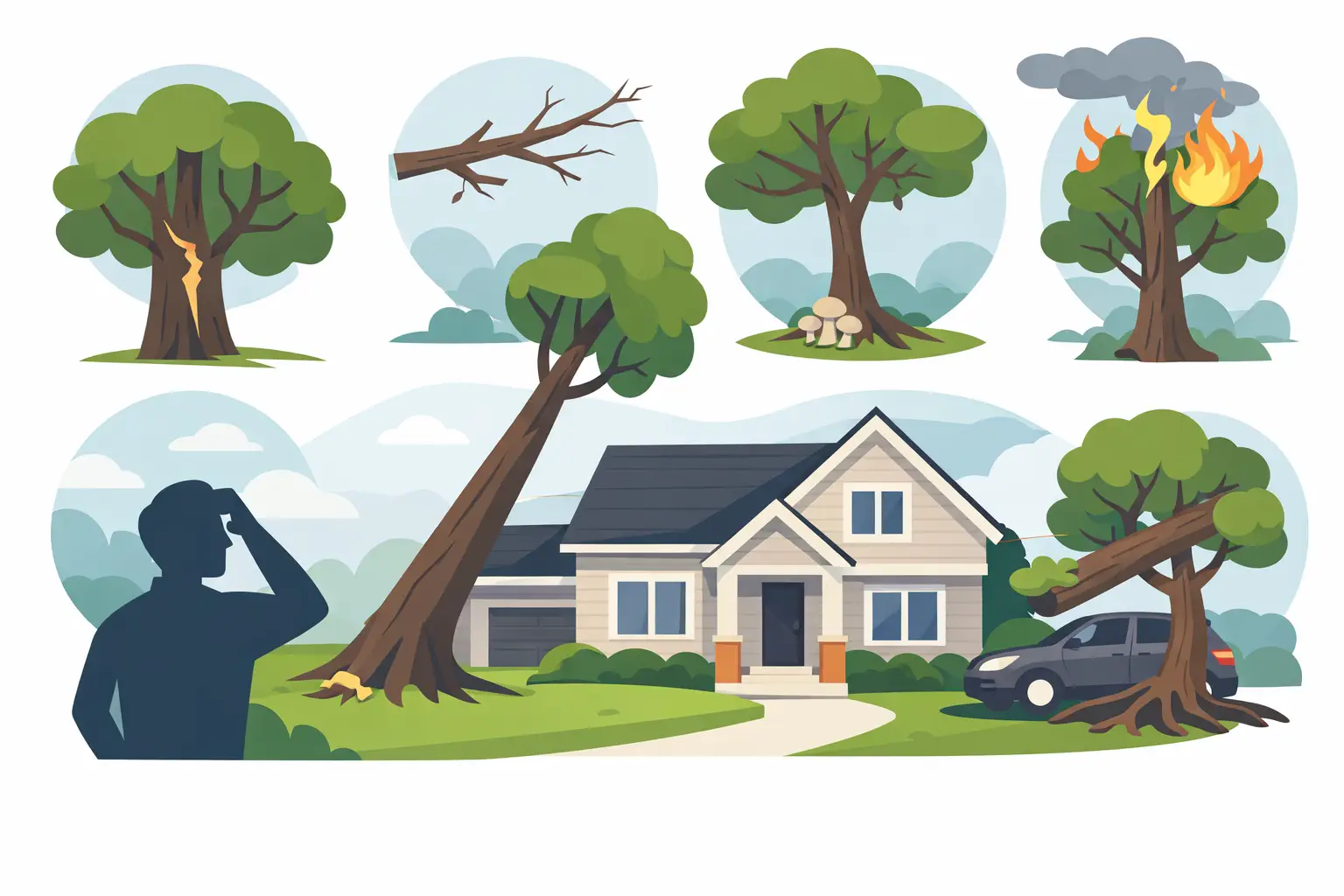
A heavy limb can look solid from the ground, especially in full leaf. But if there is a visible crack or separation at the union where that limb joins the trunk, that branch may be much weaker than it appears. These weak attachments often fail during wind or under snow load.
This is especially common on mature shade trees with broad canopies over roofs, patios, and parked cars. A branch does not have to be dead to be dangerous. If you see a split, a deep seam, or bark pinched tightly between two stems, it is worth having an arborist take a closer look.
2. Cavities and hidden trunk decay
One of the top tree hazards homeowners miss is internal decay. A hollow spot, a cavity, or mushrooms growing on or near the trunk can point to rot inside the tree. The outside may still look strong, but decay can reduce the tree’s ability to support its own weight.
Not every cavity means immediate removal. It depends on the size, location, species, and overall structure of the tree. But when decay affects the main trunk or a major scaffold limb, the risk goes up fast. Trees near homes, garages, sheds, and driveways deserve a more cautious evaluation because the consequences of failure are higher.
3. Root damage after construction or grading
A lot of homeowners focus on what they can see above ground and miss what happened below it. Tree roots are often damaged during patio installation, driveway work, trenching, drainage projects, or even repeated traffic from heavy equipment. The tree may not react right away. In some cases, decline shows up months or even years later.
When roots are cut or the soil around them is compacted, the tree loses both support and access to water and nutrients. That can lead to dieback, thinning leaves, and a greater chance of the tree uprooting in a storm. If you have had recent excavation or major landscape work near a large tree, keep an eye on it even if it still looks healthy.
4. Soil heaving or leaning after storms
A slight lean does not always mean a tree is about to fall. Some trees naturally grow at an angle. The real warning sign is a new lean, especially if the soil is lifting or cracking on one side of the base. That can mean the root plate is starting to fail.
After prolonged rain or strong wind, walk the property and look at the ground around larger trees. Fresh movement at the base is a red flag. A tree that was stable for decades can become unsafe after one bad storm if the ground is saturated enough.
5. Deadwood high in the canopy
Small dead branches are common. Large deadwood is different. Big dead limbs hanging high over a yard, sidewalk, or structure can break without much warning. Homeowners often miss them because they are buried in the upper canopy or visible only from one angle.
This is one reason regular trimming matters. A proper inspection from the ground, and sometimes from closer range, can identify dead or weakened limbs before they fall. In many cases, selective pruning solves the problem without removing the whole tree.
The top tree hazards homeowners miss near homes and utilities
The most serious tree hazards are not always in the middle of the yard. They are often the trees growing where there is no room for failure.
6. Limbs rubbing roofs, siding, and wires
Branches that touch a roof may seem minor, but they can scrape shingles, hold moisture against surfaces, and give pests easier access to the home. Limbs growing into service lines or hanging close to utility areas are another common issue. Even if the branch has not caused trouble yet, wind can turn a near miss into an immediate problem.
This is where timing matters. Light corrective pruning now is usually simpler and less expensive than storm cleanup later. It also helps preserve the tree’s shape instead of forcing major cuts after the fact.
7. Multi-stem trees with poor structure
Some of the riskiest trees are the ones that split into two or more large stems from low on the trunk. These can grow for years with no visible problem, then fail at the point where the stems meet. If bark is trapped between those stems instead of forming a strong union, the tree has a built-in weak spot.
These failures can be dramatic because they often involve a large portion of the tree. Sometimes pruning can reduce the load and make the tree safer. In other cases, removal is the more responsible option, especially if the tree is close to a house or frequently used area.
Why these hazards get overlooked
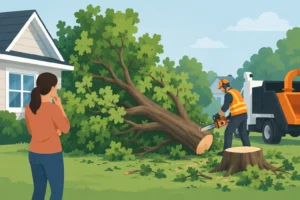
Most property owners are not expected to diagnose tree defects, and a lot of problems do not look urgent until they are. A tree can still leaf out, cast shade, and look good from the street while carrying serious structural issues. That is why hazard trees are often missed until there is storm damage or visible decline.
There is also a practical issue. People get used to what they see every day. A branch that has slowly sagged lower each season or a trunk crack that has gradually widened may not stand out unless someone is specifically looking for it. Routine inspections help because fresh eyes catch what familiarity misses.
What homeowners should do next
If you notice one of these warning signs, do not assume the answer is always removal. Sometimes the right fix is pruning, cabling, monitoring, or improving the growing conditions around the tree. Other times removal is the safest and most cost-effective choice. It depends on the species, the defect, the tree’s location, and what sits in the potential impact zone.
The key is to act before the situation becomes urgent. Tree work is safer, cleaner, and easier to schedule when it is planned instead of forced by a storm. An experienced, insured tree professional can tell you whether the problem is cosmetic, manageable, or truly hazardous.
For homeowners in New Haven County, local conditions matter too. Trees here deal with nor’easters, summer storms, wet soils, and older residential lots where mature trees are often growing close to homes, garages, driveways, and property lines. That makes good judgment just as important as equipment.
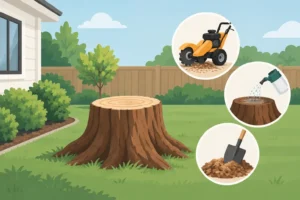
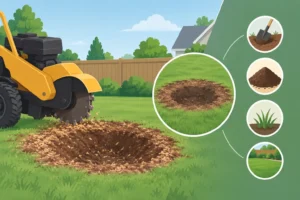
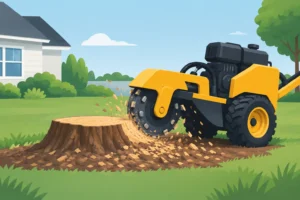
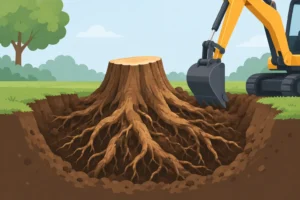
A licensed arborist-led company like Stumpbuster LLC can help identify the real risks, not just the obvious ones, and recommend the right next step for your property. Whether the job calls for careful trimming, full removal, or stump and root work to reclaim safe usable space, the goal is the same – protect the home, protect the yard, and avoid preventable damage.
If a tree on your property has you second-guessing, that is usually reason enough to have it checked. Catching a problem early is almost always easier than dealing with it after something comes down.