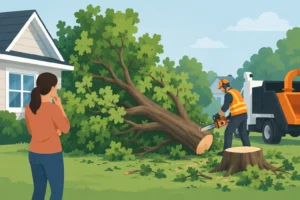
When a tree needs to come down, most of the real problems happen before the first cut. Cars left in the driveway, patio furniture still in the drop zone, gates blocked, pets loose, neighbors surprised – these are the things that slow a job down and create avoidable risk. If you are wondering how to prepare for tree removal, the goal is simple: give the crew safe access, protect what matters, and make sure the work can move without delays.
Why preparation matters before tree removal
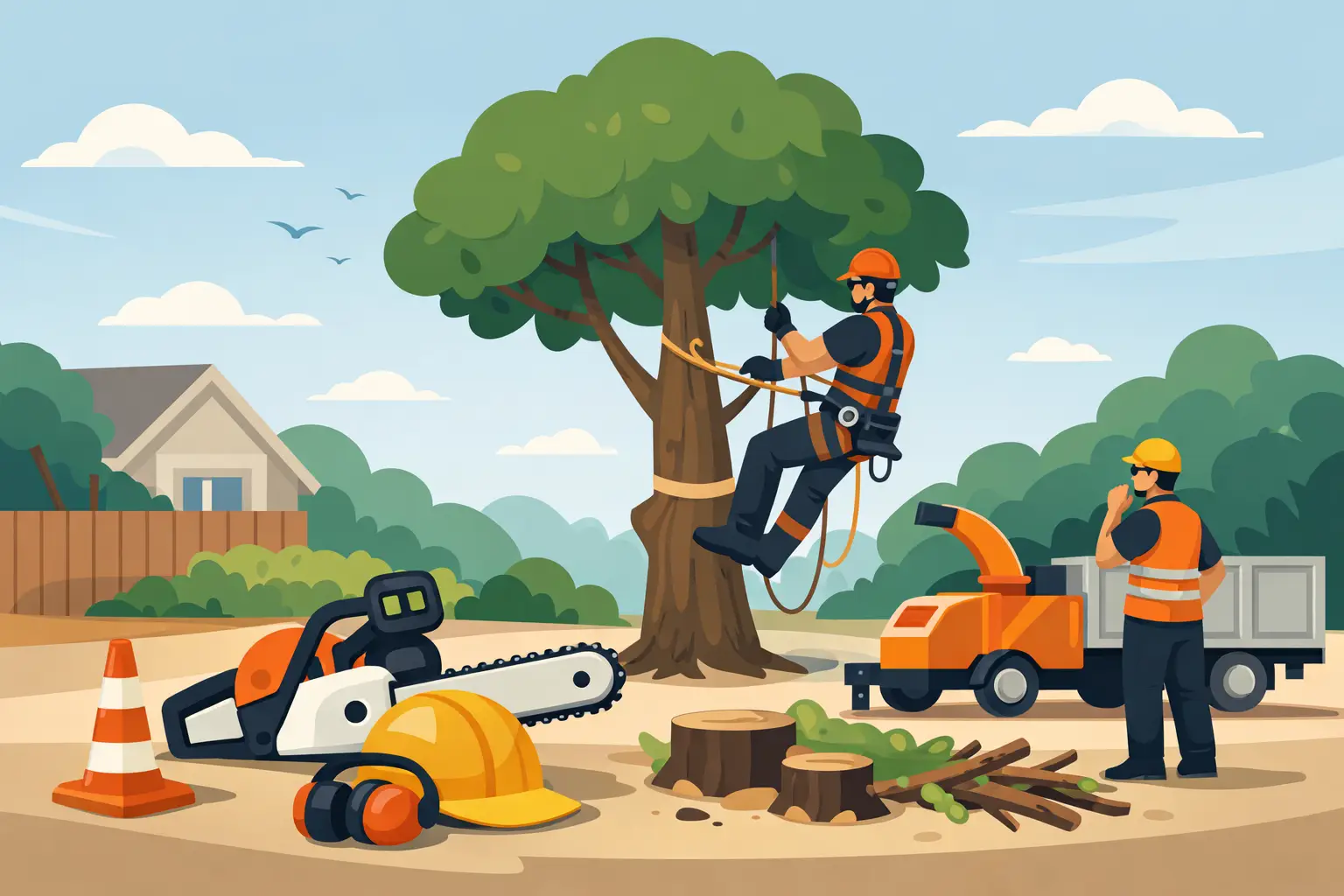
Tree removal is not like routine yard work. The crew may need room for trucks, chippers, rigging equipment, and in some cases a crane or stump grinder. They also need a clear path for carrying brush and wood out without damaging fences, garden beds, siding, or parked vehicles.
Good preparation helps in three ways. It improves safety, it keeps the job efficient, and it reduces the chance of surprise damage or extra cleanup. On some properties, a few minutes of planning can save hours on the work day.
It also gives you a chance to ask the right questions ahead of time. If the tree is close to the house, over a driveway, or tangled near utility lines, the plan may be different than it would be for an open backyard removal. Every property is a little different, and that is why experienced assessment matters.
How to prepare for tree removal at your property
Start by confirming exactly what is being removed. That sounds obvious, but it is worth checking whether the job includes just the tree, the stump, surface roots, hauling all debris, or cleanup of sawdust and wood chips. Some owners want firewood left behind. Others want the area completely cleared. It is better to settle that before the crew arrives.
Next, look at access. If the crew is removing a tree from the front yard, they may need room in the driveway or along the curb for trucks and equipment. If the tree is in the back, they may need a gate wide enough for machinery or a clear route through the side yard. Move vehicles well ahead of time so nobody is trying to track you down on the morning of the job.
Take a slow walk around the work area and remove anything breakable or movable. That usually includes patio furniture, grills, potted plants, lawn ornaments, kids’ toys, planters, and garden hoses. If there is outdoor lighting, decorative edging, or loose stone near the path where brush will be carried, move what you can. Even careful crews work faster and safer when they are not forced to work around small obstacles.
If you have pets, plan to keep them inside or well away from the work zone. The same goes for young children. Tree work is loud, unfamiliar, and full of motion. That can stress animals and create distractions at the wrong time.
Protecting your home, yard, and nearby structures
The first thing most property owners think about is the house, and that makes sense. If the tree overhangs the roof, the contractor should already have a removal plan that protects the structure. Still, you can help by closing windows near the work area and moving anything fragile off porches and decks.
Yard protection matters too. Heavy equipment can leave marks on soft ground, especially after rain. If your lawn is saturated, ask whether timing should be adjusted or whether there are ways to reduce surface impact. Sometimes access mats or a different approach can help. Sometimes the safest removal method still means some lawn disturbance. That is one of those situations where it depends on the tree, the weather, and the access available.
Sprinkler heads, invisible dog fences, low landscape lighting, and shallow drainage lines are easy to forget because they are not always visible from a standing position. If you know where those features are, point them out before work begins. The same applies to septic components, dry wells, and underground utility-related features on the property.
Fences and gates deserve attention as well. Make sure gates are unlocked if the crew needs rear-yard access, and confirm gate width if equipment is involved. A narrow opening can change the removal plan, especially for stump grinding or root removal afterward.
Utilities, permits, and neighbor considerations
One of the biggest mistakes property owners make is assuming every wire near a tree is harmless to work around. If branches are touching or close to utility lines, the removal plan needs to account for that from the start. Never try to handle that part yourself. Professional tree crews know when utility coordination is required and when a normal removal can proceed.
Permits are another issue that depends on the town and the situation. In some cases, especially with protected trees, commercial sites, or regulated areas, permits may be needed before removal. If you are not sure, ask before the job date instead of finding out too late.
Neighbors do not need a formal notice for every tree job, but a quick heads-up is often a good idea when the work is close to a property line, shared driveway, or street parking area. It avoids frustration, gives them a chance to move a car, and makes the day go more smoothly for everyone.
What to do the day before the crew arrives
The day before the job, do one final check. Move vehicles. Clear outdoor items. Unlock gates. Make sure the crew can reach the area without stopping to ask for access. If there are any special concerns – a newly planted garden bed, a hidden water shutoff, a section of fence you want protected – communicate that ahead of time, not while the saws are starting up.
It also helps to know whether you need to be home. In many cases, you do not need to stand outside for the whole job, but you should be reachable by phone in case a question comes up. If the crew is also grinding the stump or addressing roots, be sure you understand where the grindings will go and what the finished area will look like.
If weather is questionable, stay flexible. Wind, ice, or heavy rain can change the risk level fast. A professional company may reschedule rather than force a bad-weather removal, and that is usually the right call.
After the tree is down
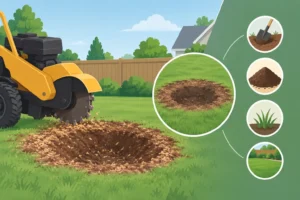
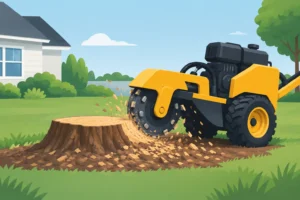
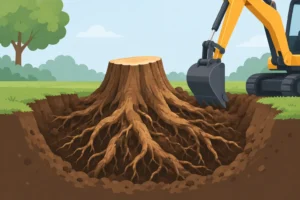
Preparation also means knowing what happens next. If the stump is staying for now, ask how much height will remain and whether the area needs to be marked off. If the stump is being ground, understand that surface roots may still be present unless root removal is part of the job.
This matters if you plan to replant, install a fence, expand a lawn area, or reclaim the space for regular use. Full restoration often takes more than cutting the tree to ground level. In tougher root-heavy sites, specialized equipment can make a major difference in how cleanly the area is cleared and how usable it is afterward.
Cleanup expectations should also be clear. Most owners want brush, logs, and debris removed, with the site left tidy. That said, “tidy” can mean different things. A wooded back corner is not the same as a front lawn next to a walkway. If appearance matters right away, say so before the job starts.
A few problems that can delay tree removal
Most delays come from avoidable issues: no place to park equipment, locked gates, unmarked obstacles, poor communication about what is included, or weather that makes the site unsafe. Occasionally, hidden decay or unexpected lean changes the removal method once the crew gets into the work. That is another reason to hire experienced, insured professionals instead of treating tree removal like a basic handyman job.
In New Haven County, many properties have mature trees, tight lot lines, older homes, and landscaped yards that leave very little margin for error. A local company with arborist oversight and real field experience will know how to plan around those conditions. That is the kind of practical preparation that protects both the property and the people working on it.
If you are getting ready for a removal, think of preparation as part of the job itself. A clear work area, good access, and a solid plan make the difference between a stressful day and a smooth one. If something about your tree or site seems unusual, ask about it early – that one conversation can prevent most of the problems people worry about.