A mature oak leaning toward a roof, a maple dropping limbs over a driveway, or a stump taking up the best part of the yard is not a job for the lowest bidder with a chainsaw. What makes a good arborist is the ability to assess the real condition of the tree, plan the work safely, and leave the property in better shape than they found it.
For homeowners and property managers in New Haven County, that distinction matters. Connecticut weather, older neighborhoods, overhead utilities, stone walls, tight access, and large established trees all make tree work more complicated than it looks from the ground. The right professional protects people, structures, lawns, and healthy trees while getting the work done efficiently.
What Makes a Good Arborist in Connecticut?
A good arborist combines tree knowledge with practical field experience. They understand how a tree grows, where it is likely to fail, how pruning will affect its health, and when removal is the safest choice. Just as importantly, they know how to carry out that decision with trained crews, proper equipment, insurance, and a clear plan for the site.
Credentials matter, but they are only part of the picture. You want someone who can explain the work in plain language, identify risks before equipment arrives, and take responsibility for cleanup afterward. Here are eight signs you are dealing with a professional worth hiring.
1. They Have the Right Credentials and Insurance
Connecticut requires arborists who perform regulated tree care work to hold the proper state licensing. A qualified contractor should be willing to discuss their arborist credentials and provide proof of current liability and workers’ compensation insurance when requested.
This is more than paperwork. Tree work involves climbing, rigging, heavy equipment, falling wood, and often work near homes, vehicles, fences, or utility lines. If an uninsured worker is hurt or property is damaged, an apparently cheap job can become very expensive for the property owner.
Ask direct questions: Is a licensed arborist involved in the assessment? Is the company insured for this specific type of work? Who will be on site? A professional will answer without hesitation.
2. They Inspect the Whole Tree, Not Just the Obvious Limb
A broken branch may be the immediate concern, but it can also be a symptom of a larger problem. A good arborist looks at the tree’s root flare, trunk, major branch unions, canopy balance, deadwood, signs of decay, insect activity, and lean. They also consider what sits beneath the tree and what could be damaged if it fails.
For example, a tree with a healthy-looking crown may have root damage from past construction, poor drainage, or soil compaction. A crack at a branch union may make selective pruning sensible, while extensive internal decay may point toward removal. The right answer depends on the species, condition, location, and target area around it.
Be cautious with anyone who recommends removing every large tree without a proper inspection. On the other hand, an arborist should not minimize a serious hazard just because a tree still has green leaves.
3. They Put Safety Before Speed
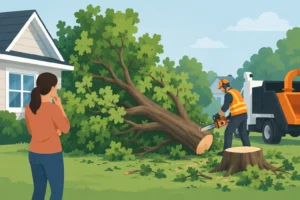
Good tree work is organized before the first cut is made. The crew should know where branches and trunk sections can be lowered, where equipment can be positioned, how pedestrian and vehicle traffic will be managed, and how they will protect roofs, gardens, driveways, and nearby structures.
On a simple open-lawn removal, the work may move quickly. In a tight North Haven, Hamden, or Branford yard, it may require careful climbing, controlled rigging, or section-by-section dismantling. That can cost more than dropping a tree in an open field, but it is the right trade-off when there is no room for error.
Utility lines require special caution. A reputable arborist will recognize when a tree is too close to energized lines and coordinate with the utility company or recommend the appropriate qualified line-clearance crew. No tree service should treat electrical hazards as routine.
4. They Recommend Pruning That Helps the Tree
Tree trimming should not mean cutting a canopy into a shape that looks neat for one season and creates long-term problems. Excessive topping, random cuts, and removing too much live growth can weaken a tree, trigger weak regrowth, and increase its risk in future storms.
A capable arborist explains the purpose of pruning. That may include removing dead or damaged limbs, reducing weight on an overextended branch, improving clearance over a roof or driveway, or selectively thinning crowded growth. The goal is a safer, healthier, more balanced tree, not simply a smaller one.
This is especially valuable for mature shade trees that add real character and value to a Connecticut property. Proper pruning can extend their useful life. Poor pruning can create a recurring problem that costs more to manage later.
5. They Give a Clear, Site-Specific Estimate
A reliable estimate describes the work being proposed and sets expectations for the finished job. It should identify whether the price covers removal, chipping, log handling, stump grinding, hauling, cleanup, or any optional work. If access is limited or lawn protection is needed, the contractor should discuss that before work begins.
The lowest estimate is not always the best value. One company may price only the visible tree work, while another includes controlled removal, debris hauling, rake cleanup, and protection for the property. Compare the scope, not just the bottom-line number.
A good arborist also avoids promises that ignore conditions on site. Hidden decay, underground obstacles, poor access, and wet ground can affect the approach. Clear communication about those variables is a sign of experience, not uncertainty.
6. They Have the Equipment and Crew for the Job
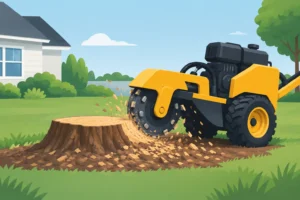
Tree care equipment should fit the work. That can mean chainsaws and climbing gear for a confined backyard, a chipper to manage brush, a crane for a difficult removal, or stump grinding equipment to restore usable space after a tree is gone. The point is not to bring the biggest machine available. It is to use the safest, cleanest method for that particular property.
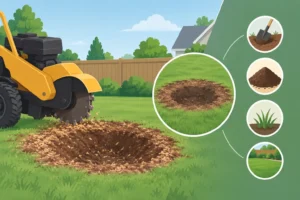
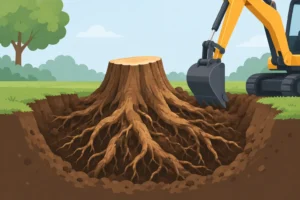
Stump removal deserves the same attention. Grinding below grade can remove the visible obstacle, but roots may remain where they interfere with a lawn, garden, walkway, or future project. In those situations, ask how the contractor handles root removal and what the final area will look like.
Stumpbuster LLC has served local properties since 1985 and uses its Plowrake root removal system when deeper, cleaner root extraction is needed. That kind of specialized capability can make a meaningful difference when the goal is more than hiding a stump below a layer of soil.
7. They Respect the Property During and After the Work
The job is not finished when the tree is on the ground. A professional crew plans for debris, protects reasonable access routes, removes brush as agreed, and leaves the work area orderly. Tree removal can be disruptive, but it should not leave homeowners with piles of limbs, scattered sawdust, and unanswered questions.
Cleanup expectations should be discussed early. Some customers want logs left for firewood. Others want all wood hauled away. Some may need chips for a natural path or planting area. There is no one right choice, but there should be no surprise about what is included.
Property care also means being honest about unavoidable impacts. Heavy equipment can leave marks on soft ground, especially after rain. A reputable company will assess access, use sensible precautions, and tell you when waiting for drier conditions is wiser than forcing a machine across a lawn.
8. They Have a Local Reputation Built Over Time
Tree work is a trust business. The best indication of how a contractor operates is often their track record in the same communities where they continue to work. Longstanding local companies have to stand behind their estimates, their crews, and the condition in which they leave a customer’s property.
Look for consistent feedback about communication, punctuality, safety, fair pricing, and cleanup. Ask neighbors who they have used for difficult removals or pruning near structures. A company that has worked across New Haven County for years is more likely to understand local tree species, seasonal concerns, permit questions, and the realities of working on older residential lots.
Questions to Ask Before You Hire an Arborist
Before approving an estimate, ask whether a licensed arborist will assess the work, whether the company carries liability and workers’ compensation coverage, and how the crew will protect nearby structures and utilities. Confirm exactly what debris will be removed, whether stump grinding is included, and what will happen to surface roots if they affect the area you want to reclaim.
You should also ask why a particular recommendation is being made. A good arborist can explain why selective pruning is enough, why a tree should be removed, or why it may be safer to wait for a utility company or better ground conditions. Straight answers help you make a sound decision for the property rather than reacting to a sales pitch.
The right arborist leaves you with more than a completed job. You should have a safer property, healthier trees where preservation makes sense, and a clean, usable space where a problem tree or stump once stood.