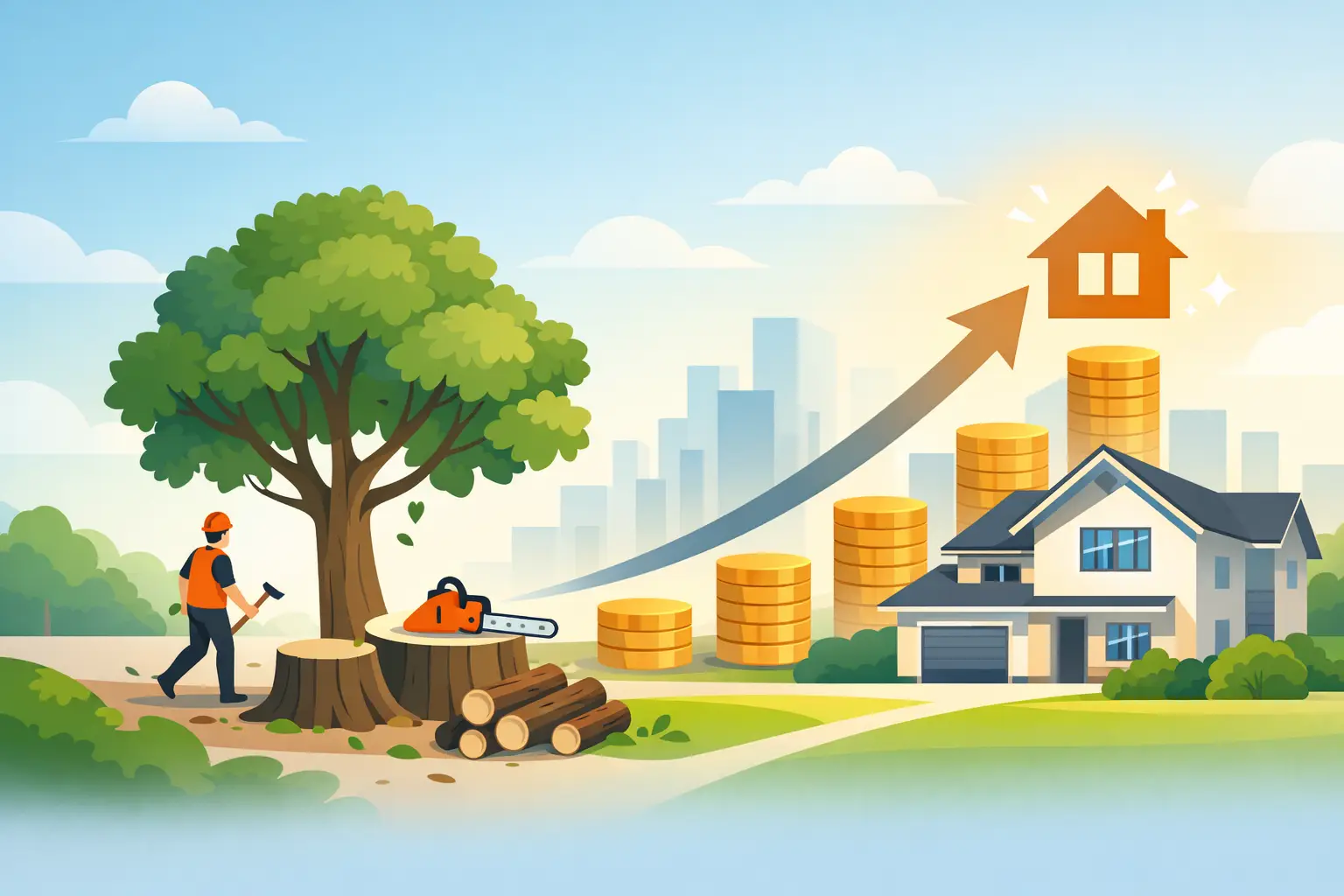
A mature tree can be one of the best features on a Connecticut property – or the reason a buyer hesitates to make an offer. So, will removing a tree raise property value? Sometimes, yes. Removing the right tree can make a property safer, brighter, cleaner, and easier to use. Removing a healthy, well-placed tree can do the opposite.
The value is not in taking down trees for the sake of it. It is in solving a visible problem without sacrificing the shade, character, and landscape appeal buyers expect. Before scheduling removal, look at the tree’s condition, location, root system, and effect on the home and yard.
When Removing a Tree Can Raise Property Value
A tree removal is most likely to support property value when it eliminates a risk or restores usable space. Buyers notice obvious hazards quickly, especially when a large tree is leaning over a roof, growing into utility lines, or showing dead limbs above a driveway, deck, or play area.
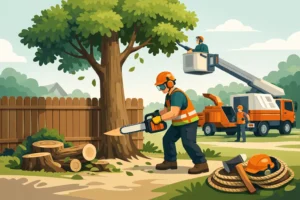
A declining tree can create a future expense in a buyer’s mind. Even if it has not fallen or caused damage yet, visible decay, large dead branches, trunk cracks, fungal growth, or a pronounced lean can make the property feel less cared for. Professional removal takes that concern off the table and gives the yard a cleaner, safer appearance.
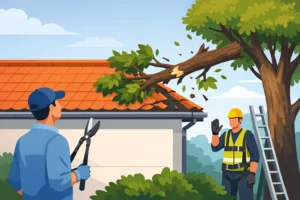
Trees growing too close to a house are another common issue. Branches rubbing the roof, blocking gutters, touching siding, or hanging over chimneys can contribute to maintenance problems. Roots may also interfere with walkways, patios, retaining walls, drainage, or underground utilities. Removing a problem tree before listing a property can help prevent inspection issues and show that the owner has addressed an obvious concern.
In many New Haven County neighborhoods, usable outdoor space matters. A crowded backyard may feel much larger after an unwanted tree, stump, and surface roots are removed. That can make room for a lawn, garden, patio, parking area, fence, or safer play space. The improvement is especially noticeable on smaller residential lots, where one oversized tree can dominate the entire yard.
Better Curb Appeal Has Real Value
Street appeal influences how buyers feel before they walk through the front door. A dead, badly misshapen, storm-damaged, or overgrown tree can hide the home, block natural light, and make an otherwise maintained property appear neglected.
Removing that tree may reveal architectural features, open up a front lawn, improve sightlines from the street, and give landscaping a more intentional look. The goal is not a bare yard. It is a property that looks maintained and proportioned correctly.
When Removing a Tree May Hurt Value
Healthy, mature trees are valuable landscape assets. They provide shade, privacy, seasonal color, wind protection, and a sense that a property is established. A home with well-maintained trees often feels more inviting than one with a completely open, exposed lot.
Removing a healthy shade tree from the right location can make a yard hotter, reduce privacy from neighboring homes, and leave the house looking stark. It may also eliminate a feature that helped distinguish the property from similar homes nearby. In some cases, buyers specifically look for mature landscaping and will see the loss of a large tree as a negative.
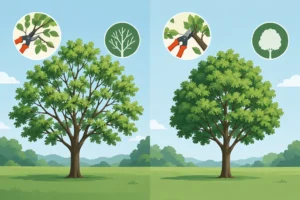
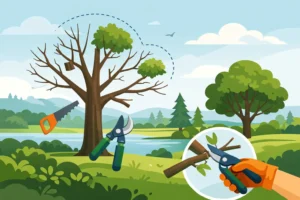
The same goes for trees that are not hazardous but simply need professional trimming. If branches are overextended, crowded, low-hanging, or blocking light, selective pruning may provide the improvement you want without losing the tree’s benefits. An arborist can assess whether a tree is structurally sound and whether trimming, cabling, treatment, or removal is the better long-term choice.
Location Changes the Answer
A tree in the middle of a backyard is not automatically a problem. A tree pressed against a foundation, looming over a roof, or lifting a front walkway is a different situation. The same species can add value in one spot and create costly risk in another.
Consider the tree from a buyer’s perspective. Does it provide welcome shade? Does it screen an undesirable view? Is it likely to drop limbs onto a car? Does it block windows and make interior rooms feel dark? Does it consume the only level part of the yard? Those practical questions matter more than a general rule about whether trees are good or bad for property value.
Will Removing a Tree Raise Property Value Before a Sale?
If you are preparing to sell, focus first on conditions that could affect a home inspection, insurance questions, or a buyer’s confidence. A hazardous tree, a large dead limb over the house, or roots pushing up a walkway can become a negotiating point. Addressing those issues beforehand may help the sale move more smoothly.
That does not mean every removal will produce a dollar-for-dollar increase in appraised value. Real estate value depends on the home, neighborhood, market conditions, lot size, and the overall condition of the property. Tree work usually supports value by reducing risk, improving presentation, and preventing a buyer from budgeting for an immediate repair.
For a homeowner who plans to stay, the calculation can be simpler. If removal protects the house, makes the yard safer, or gives your family space you will actually use, the improvement has value beyond a future sale price.
Do Not Stop at the Stump
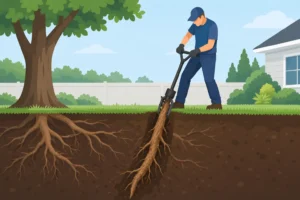
A removed tree can still leave behind a property problem if the stump and roots remain. A large stump can look unfinished, limit mowing, attract pests, and take up valuable lawn space. Surface roots can remain a tripping hazard or continue to interfere with landscaping and hardscape work.
Complete stump and root removal can make the improvement look finished rather than temporary. It is particularly useful when you plan to regrade, seed, install a patio, expand a driveway, put up a fence, or plant new landscaping in the same area.
Stumpbuster LLC uses arborist-led evaluation and specialized root removal equipment to address more than the visible portion of the tree. For properties with deep, stubborn root systems, that thorough approach can make a meaningful difference in how usable the ground is after removal.
Make the Decision With the Whole Property in Mind
Before removing a tree, walk the property from the street, from inside the home, and from the areas where people spend time outdoors. Look for safety concerns, signs of decline, blocked views, roof contact, drainage issues, and lost yard space. Then weigh those concerns against the tree’s shade, privacy, and visual value.
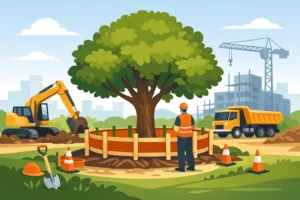
If the tree is questionable, an experienced arborist’s opinion is worth getting before making an irreversible decision. A trained eye can identify structural problems that are easy to miss and may also recommend preservation when removal is not justified.
The best property-value decision is rarely about having fewer trees. It is about having safe, healthy, well-placed trees and a yard that looks cared for, works for daily life, and gives the next owner fewer reasons to worry.