That old stump in the yard tends to blend into the background until it starts causing real problems. When homeowners look at the before and after stump removal difference, they usually notice more than appearance. They see safer footing, easier mowing, fewer surface roots, and a yard that feels usable again.
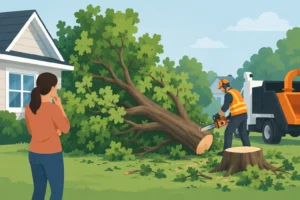
A stump is one of those things people put off because it does not always look urgent. The tree is gone, the cleanup seems mostly done, and life moves on. But the remaining stump and root flare still take up space, interfere with landscaping, and can keep creating headaches long after the tree itself has been removed.
What changes before and after stump removal
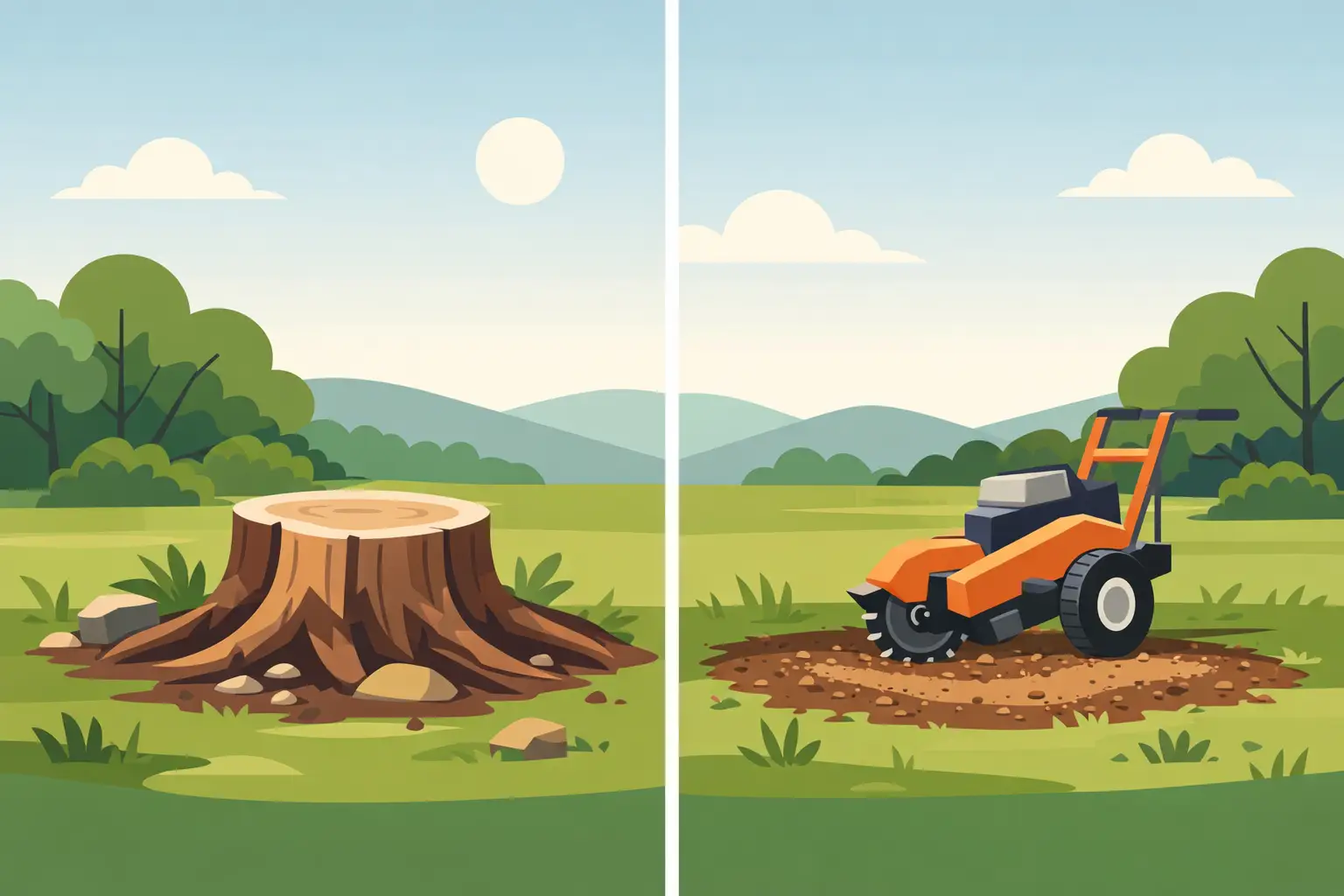
Before stump removal, the area often feels unfinished. There may be a raised base left behind, exposed roots pushing through the lawn, or a rough patch that turns mowing into an obstacle course. In some cases, the stump sits close to a driveway, walkway, fence line, patio, or foundation, where roots and regrowth can create bigger concerns over time.
After stump removal, the same area looks cleaner and functions better. You can reclaim space for grass, planting, hardscaping, or just normal yard use. The change is often immediate. A section of the property that felt awkward or neglected starts looking maintained again.
That visual improvement matters, but it is only part of the story. Stump removal also reduces trip hazards, removes hiding places for insects and decay, and helps prevent the area from becoming a magnet for nuisance growth. If the stump is large or the root system is spreading into useful parts of the property, removing it can make routine maintenance much easier.
Why the “after” depends on how the stump is removed
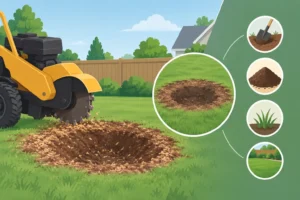
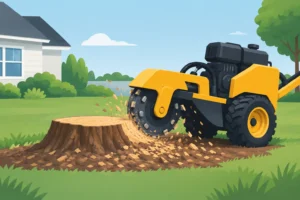
Not every stump job leaves the same result. That is where property owners can get surprised. Some contractors grind the visible stump down below grade and leave a large amount of wood fiber in the hole. That can be enough if the goal is basic surface clearance and the stump is not in a sensitive area.
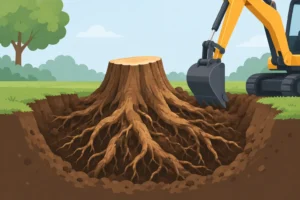
But if you are planning to replant, regrade, install a patio, expand a lawn, or deal with roots that keep surfacing, a shallow grind may not solve the whole problem. The after picture can still include buried root material, settling soil, or lingering interference under the surface.
This is where experience matters. A licensed arborist-led company understands species, root behavior, and site conditions. Some stumps have compact root systems. Others spread aggressively and keep affecting surrounding ground well beyond the stump itself. Oak, maple, and other mature trees can leave more going on underground than a homeowner expects.
In those cases, deeper or more thorough root removal may be the better fit. It depends on the tree, the location, and what you want to do with the space afterward.
The most common before and after stump removal improvements
The first improvement most people notice is cleaner curb appeal. A stump can make an otherwise well-kept property look like a project that never got finished. Once it is removed, the yard looks more intentional and better maintained.
The second improvement is safety. Stumps and exposed roots create tripping hazards for children, guests, customers, and anyone doing yard work. They also force awkward mowing patterns and increase the chance of damaging equipment.
The third is usable space. Even a modest stump can take up the exact spot where you want lawn, mulch beds, a fence run, or a clear path through the yard. On commercial properties, that lost space can also affect appearance and maintenance efficiency.
The fourth is long-term control. Some stumps keep sending up shoots, and some root systems continue interfering with nearby turf and planting areas. Removing the source gives you a cleaner reset.
Before and after stump removal in problem locations
Location changes the job. A stump in the middle of an open lawn is one thing. A stump near a house, wall, utility area, pool, or landscape bed is another.
Before removal, these tighter spaces often come with added concerns. Homeowners worry about surface roots near foundations, lawn damage from access equipment, or whether the contractor can work close to structures without making a mess. Those are fair questions. Tree and stump work is not just about bringing in machinery. It is about knowing how to use it precisely.
After proper removal, the site should look controlled, not torn up. The goal is not just to make the stump disappear. The goal is to leave the area safer, cleaner, and ready for whatever comes next. That includes responsible grinding depth, root attention where needed, and cleanup that does not leave the property looking half-finished.
In older neighborhoods across New Haven County, many properties have mature trees and tighter lot lines. That means stump removal often needs to be done with more care than people expect. The right operator plans for access, protection of surrounding features, and the final condition of the site.
What homeowners should expect after the work is done
A good stump removal job should not leave you guessing. You should know whether the stump was ground, whether roots were addressed, what material remains in the area, and what the next step is if you want grass or planting there.
In many cases, the immediate after condition includes a cleared area with grindings and disturbed soil that can be finished based on your plans. If the goal is lawn restoration, the site may need fresh topsoil and seed. If the goal is a planting bed or construction area, the preparation may be different.
This is where honest communication matters. There is no one-size-fits-all finish. Some customers want the stump gone so they can mow. Others want deep, clean removal because they are installing something new. The right recommendation depends on the end use.
That is one reason experienced contractors ask questions instead of quoting by stump diameter alone. Size matters, but so do species, root spread, access, and the future use of the space.
Before and after stump removal for roots
A lot of frustration comes from roots, not just the stump itself. Before removal, roots may be lifting sections of lawn, running through beds, or interfering with grading and drainage. Some remain solid and troublesome long after the tree has come down.
After stump removal, root conditions can improve dramatically, but only if the job matches the problem. Surface grinding alone may not solve root issues in adjacent areas. If roots are the real complaint, they need to be evaluated directly.
That is where specialized capability makes a difference. Stumpbuster LLC has built its reputation on doing more than basic tree contractor work, including deeper and cleaner root extraction using its Plowrake system when conditions call for it. For property owners dealing with stubborn root systems, that can change the result from a cosmetic fix to a true site improvement.
When stump removal is worth it
If the stump is small, out of the way, and causing no problems, some owners choose to leave it for a while. That is reasonable. Not every stump is urgent.
But if it affects safety, mowing, curb appeal, future landscaping, or nearby surfaces, removal usually pays off. The before and after stump removal difference is especially noticeable when the stump sits in a front yard, near a driveway, beside a walkway, or anywhere you use regularly.
It is also worth addressing if you are preparing to sell a property. Buyers notice unfinished exterior issues fast. A clean yard reads as well maintained. A leftover stump often suggests deferred maintenance, even when the rest of the property is in good shape.
Choosing the right contractor for a better after
The best after result comes from doing the job right the first time. That means hiring an insured, experienced crew that understands tree biology, underground root behavior, equipment access, and site cleanup.
It also means choosing a contractor who will tell you when a standard grind is enough and when it is not. That kind of honesty saves money in some cases and prevents repeat work in others.
For homeowners and property managers, the question is not just whether the stump can be removed. Almost always, it can. The better question is what you want the area to look like and function like afterward.
When that part is planned well, stump removal is not just cleanup. It is a practical way to make your property safer, cleaner, and easier to use. If you are looking at a stubborn stump and wondering whether it is worth dealing with, picture the space without it. Most of the time, that answer is clear.