A large tree leaning over a house changes the conversation fast. At that point, price matters, but not as much as who is climbing, who is running the equipment, and who is responsible if something goes wrong. That is why hiring an insured tree removal company is not a detail to skim past. It is one of the clearest ways to protect your property, your budget, and everyone on site.
Tree work is not basic yard work. It involves height, heavy wood, rigging, saws, utility awareness, and tight working space around roofs, fences, driveways, and landscaped areas. When a contractor is properly insured, it shows they take the risk seriously and operate like a real business, not a pickup-truck side job.
Why an insured tree removal company matters
When a tree has to come down, there is usually a reason. It may be dead, storm-damaged, crowded, too close to a structure, or dropping limbs over a driveway or patio. In some cases the problem is not the trunk but the roots, which can lift hardscape, interfere with yard use, or keep regrowth going after an old stump was cut too high.
No matter the reason, tree removal carries real exposure. Branches can swing unexpectedly. Equipment can mark pavement or lawns if the work is rushed. A weak tree can react differently once weight starts coming off. If a crew is uninsured or underinsured, the homeowner may be left dealing with property damage, injuries, or a long argument over who pays.
Insurance is not a substitute for skill, but it is a sign of accountability. A serious company invests in coverage because serious work demands it.
What insurance should a tree removal company carry?
This is where many property owners get vague answers. You do not need a legal seminar. You just need to know whether the company has the core protections expected for hazardous outdoor work.
General liability coverage
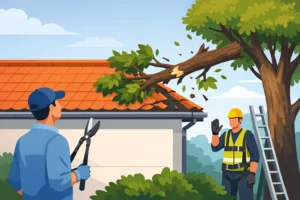
This is the policy most people think of first. It helps cover accidental property damage tied to the job. If a limb damages a fence, a section of roof, a garage, or another structure, general liability coverage may apply depending on the circumstances and the policy.
If a contractor avoids the question or says insurance is unnecessary because they have “never had a problem,” that is not reassuring. Experience is valuable, but coverage still matters because even experienced crews can face wind, decay, hidden defects, or limited access conditions.
Workers’ compensation
This is just as important. Tree crews work off the ground, around chainsaws, chippers, ropes, loaders, and falling wood. If a worker gets hurt and the company does not carry proper workers’ compensation coverage, the situation can become complicated very quickly.
For a property owner, that risk is not theoretical. You want a contractor whose team is covered and whose business is set up correctly before work begins.
Commercial auto and equipment coverage
This may not be the first thing you ask about, but it matters. Tree removal often involves bucket trucks, trailers, stump grinders, loaders, and specialized hauling equipment. If a company is moving heavy machinery onto and off your site, those vehicles and operations should be part of a properly insured business.
An insured tree removal company still needs real expertise
Insurance tells you the company is taking responsibility. It does not tell you whether they know how to remove the tree cleanly, protect nearby structures, or address what is left behind.
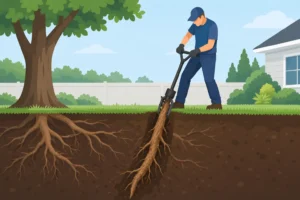
That is where experience makes the difference. A knowledgeable crew should be able to explain how they will take the tree down, whether the work requires sectional removal, what kind of access they need, and how they will protect the property during cleanup. If there is a stump involved, they should also explain whether grinding is enough or whether root removal is the better long-term answer.
This is especially true with mature trees near homes in older Connecticut neighborhoods, where space can be tight and root systems can be more disruptive than people expect. The right company does not just show up with a saw. They read the site, the tree, and the safest path to finish the job properly.
Questions worth asking before you hire
A reliable company should be comfortable answering direct questions. You are not being difficult. You are doing basic due diligence on a high-risk job.
Ask whether they are fully insured for tree removal work and whether they can provide proof of coverage. Ask who will actually perform the work – employees or subcontractors. Ask how they plan to protect the lawn, driveway, and nearby structures. Ask whether cleanup is included and what happens to the wood, brush, stump, and surface roots after the tree comes down.
You should also ask who is evaluating the tree. There is a difference between a sales pitch and an informed assessment. Arborist-led companies bring a stronger understanding of tree condition, risk, structural defects, and whether removal is truly the right call.
A good answer is usually clear and specific. A weak answer is vague, rushed, or built around avoiding responsibility.
Red flags that should slow you down
The lowest quote is not always the cheapest job in the end. If a bid seems far below everyone else, there is usually a reason. Sometimes the crew is cutting corners on insurance. Sometimes the cleanup is barely included. Sometimes the stump, roots, hauling, or site repair are left out until later.
Be cautious if a contractor cannot provide current insurance information, pressures you to decide on the spot, or treats safety questions like an annoyance. The same goes for anyone who cannot clearly explain the work plan. Tree removal is technical, but the explanation should still be plain and understandable.
Another red flag is a company that only talks about getting the tree down and says little about the condition of the property afterward. Removal is one part of the job. Controlled lowering, debris handling, stump grinding, root cleanup, and a clean finish are what separate a professional result from a rough one.
Why local experience matters with tree removal
Hiring local is not just about convenience. It usually means the company understands the tree species, storm patterns, lot layouts, and neighborhood conditions common to the area. In New Haven County, properties range from compact suburban lots to older homes with large established trees and limited equipment access. That changes how removal should be planned.
A local crew with years of field experience is more likely to spot access issues before the job starts, know when crane or sectional work may be needed, and understand how to work efficiently without turning the yard into a mess. They also know that reputation travels fast in a town. Companies that have worked in the same communities for decades tend to value accountability because they live with their name.
For that reason, many property owners prefer a company with a long operating history and arborist oversight rather than a general contractor who takes on occasional tree jobs. The equipment may look similar from the curb. The decision-making on site is often very different.
Insured tree removal company vs. “guy with a chainsaw”
This comparison is blunt, but it is real. Plenty of homeowners have been tempted by a cash quote from someone who says they can handle it this weekend. For a small fallen limb on open ground, maybe that gamble feels manageable. For a standing tree near a home, power line, fence, driveway, shed, or septic area, it is a bad place to cut corners.
A true insured tree removal company brings more than paperwork. It usually brings trained crew structure, job planning, better equipment, defined cleanup, and a clearer process from estimate to completion. That does not guarantee every company is equal. Some are far more skilled than others. But it does raise the floor on professionalism and accountability.
When the work is done right, the result is simple. The hazard is gone, the property is cleaner, and you are not left chasing answers after the truck pulls away.
What a solid tree removal process looks like
The best jobs usually feel organized from the first visit. The site is evaluated carefully. The tree condition and surrounding risks are explained in plain language. The estimate is specific about removal, cleanup, stump handling, and any access limitations. On the workday, the crew arrives with the right equipment, protects the area as much as conditions allow, removes the tree methodically, and leaves the property in good shape.
For some sites, stump grinding is enough to restore the area. For others, deeper root issues keep interfering with plans for regrading, seeding, fencing, or reclaiming usable yard space. That is where specialized root removal capability becomes valuable. A company with the right equipment and experience can often solve more of the problem in one visit instead of leaving the property owner with half-finished results.
Stumpbuster LLC has built its reputation around that kind of practical, complete work – insured service, arborist-led judgment, thorough cleanup, and the equipment to handle not just the tree, but the stump and root issues that often come with it.
If you are comparing contractors, do not just ask who can remove the tree. Ask who is insured, who is accountable, and who has the experience to leave your property safer and cleaner when the job is done.